The most common problems with heat pump water heaters are no hot water (faulty thermostat, tripped breaker or a failing compressor), water that heats too slowly (dirty filters or blocked airflow), strange noises, leaks, short-cycling, and ice on the evaporator in cold weather. Most of these come down to airflow, electrical supply, settings or the refrigerant circuit. This guide walks you through diagnosing each fault, what you can safely check yourself, and when to call a licensed plumber or technician.
Heat pump water heaters have become increasingly popular among Brisbane homeowners looking to cut energy costs without sacrificing comfort. These systems use ambient air to heat water, making them far more efficient than traditional electric or gas units. Whether you’re new to using a hot water heat pump or have been relying on one for years, it’s easy to see the appeal: lower bills, reliable performance, and a reduced carbon footprint.
But even the best systems aren’t flawless. A heat pump system, like any appliance, can hit a snag from time to time. From lukewarm showers to mysterious noises, heat pump owners often face issues that can catch them off guard. The good news is that many problems can be prevented or quickly resolved with the right knowledge.
Understanding how your hot water system works, and how to spot early warning signs, can save you a lot of stress and money. We’ll break down the most common hiccups with heat pump water heaters and show you how to handle them with confidence.
Table of Contents
- 1 Understanding How a Heat Pump Water Heater Works
- 2 Troubleshooting Common Issues with Heat Pump Water Heaters
- 3 Heat pump fault & error-code quick reference
- 4 No Hot Water? Here’s What Could Be Going Wrong
- 5 Heat Pump Water Heaters Making Strange Noises
- 6 Heat Pump System Not Efficient or Taking Too Long to Heat Water
- 7 Potential problems include:
- 8 Here’s how to fix or improve performance:
- 9 Circuit Breaker Keeps Tripping
- 10 Common causes of a tripped circuit breaker include:
- 11 Important safety tips for heat pump owners:
- 12 Leaking Heat Pump Water Heaters
- 13 Common causes of leaks include:
- 14 The Heat Pump System is Short-cycling or Keeps Shutting Off
- 15 Common causes include:
- 16 What to check:
- 17 Regular Maintenance Can Prevent Common Problems
- 18 Here’s a basic maintenance checklist:
- 19 Heat pump water heater maintenance schedule
- 20 Operating conditions that keep it efficient
- 21 When to Repair and When to Replace Your Heat Pump Water Heater
- 22 Considering Alternatives When Replacement is Needed
- 23 Your Heat Pump Water Heater Deserves Better Days
Understanding How a Heat Pump Water Heater Works
Understanding how the system works helps you troubleshoot your heat pump water heater effectively. Unlike traditional water heaters, which generate heat directly, a heat pump pulls warmth from the surrounding air and transfers it into the water stored in the tank. This clever process uses far less electricity, making it an energy-efficient option for Aussie households.
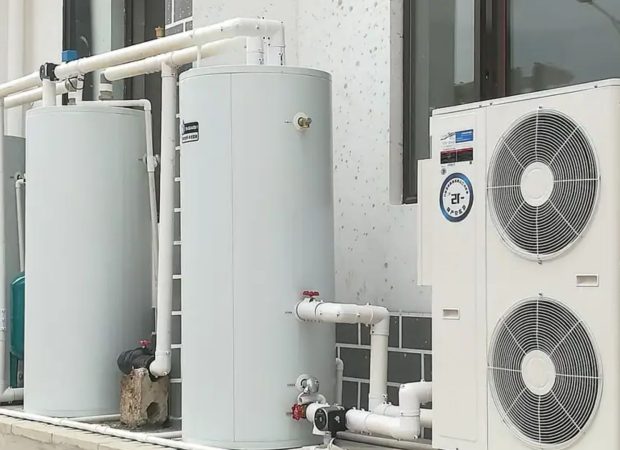
At the heart of every heat pump system are a few key components: the compressor, evaporator coil, condenser coil, fan, and storage tank. The fan draws in air, which passes over the evaporator coil to absorb heat. The compressor then increases the temperature of that heat, which is transferred to the water via the condenser coil.
This process runs in a loop to keep your hot water ready when needed. Knowing how these parts work together will give you a head start when troubleshooting common issues.
Troubleshooting Common Issues with Heat Pump Water Heaters
Now that you’ve figured out how your hot water heat pump works, let’s get into the real heart of this guide: troubleshooting. Even the most reliable heat pump water heaters can run into trouble, and knowing what to look for can make all the difference.
From lukewarm showers to unusual noises, we’ll walk you through the most common problems affecting your heat pump system. Regular checks and quick responses are key to running your hot water system smoothly. This section will help heat pump owners feel confident tackling those annoying issues head-on.
Heat pump fault & error-code quick reference
Most heat pumps flash a fault light or show an error code on the controller when something’s wrong. The exact codes vary by brand. Reclaim, iStore, Sanden, Rheem and others all use different numbering, so always check your unit’s manual for the specific code. As a general guide, here’s what the common symptoms usually point to and what to do next:
| Symptom / indicator | Likely cause | What to do |
|---|---|---|
| Fault light or error code, no heating | Compressor, refrigerant or sensor fault | Note the code, then call a licensed technician. Refrigerant and sealed-system work is licensed |
| Ice forming on the evaporator coil | Restricted airflow, dirty filter, or ambient air too cold | Clear vents and clean the filter (safe DIY). If it persists in cold weather it may be normal defrost, so confirm with your manual |
| Water far too hot or scalding | Thermostat or temperature sensor fault | Check the set temperature. If it’s correct but water is still too hot, call a plumber and have a tempering valve fitted if there isn’t one |
| No hot water at all | Tripped breaker, power supply or thermostat | Reset the breaker once (safe DIY). If it trips again, stop and call a licensed electrician or technician |
| Breaker keeps tripping | Electrical fault or failing compressor | Don’t keep resetting. Book a licensed technician to investigate |
| Water dripping from the relief valve or unit | T&P relief valve operating, high pressure, or a leak | A small amount of relief-valve discharge can be normal. Constant or heavy leaking is licensed work, so call a plumber |
| Unit runs constantly but water stays lukewarm | Low refrigerant, undersized unit or heavy demand | Clean filters and check airflow. If there is no change, book a service |
| Short-cycling (rapid on/off) | Thermostat, dirty coils or refrigerant issue | Clean coils and check airflow. Refrigerant faults need a licensed technician |
Safe DIY vs licensed work: clearing airflow and vents, cleaning the air filter, and resetting a breaker once are fine to do yourself. Anything involving the refrigerant circuit, electrical wiring, the temperature & pressure (T&P) relief valve or the anode is licensed work in Queensland and should be left to a licensed plumber or technician.
No Hot Water? Here’s What Could Be Going Wrong
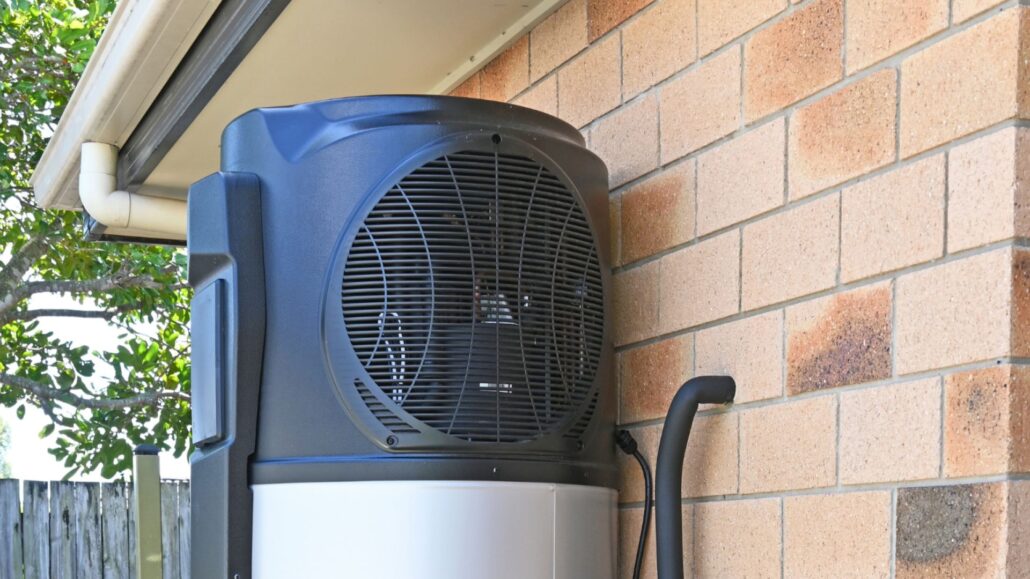
If your heat pump water heater suddenly stops producing hot water, it’s not always a major disaster, but it does mean something’s off. Before you panic, there are a few likely culprits worth checking. Here’s what might be causing your system to stop heating properly:
- Faulty Thermostat Settings: A misconfigured or faulty thermostat can throw off your water temperature. Check if it’s set correctly, and try adjusting it slightly to see if the heater kicks in.
- Heating Element Issues: If the heating element is worn out or covered in sediment build-up, it can’t do its job. Sediment can also damage the anode rod over time, reducing efficiency.
- Tripped Circuit Breaker or Electrical Panel Faults: Head to your electrical panel and check if the circuit breaker has tripped. Reset it once, but if it trips again, stop and call an electrician.
- Malfunctioning Compressor: The compressor is the heart of your water heater. If it’s failing, you might notice strange noises or no heating. This one requires a professional.
- Blocked Vents or Poor Airflow: Without proper airflow, your unit struggles to operate. Check around the unit for obstructions.
If these checks don’t resolve the issue, or you’re unsure, it’s best to bring in a licensed technician.
Heat Pump Water Heaters Making Strange Noises
Hearing unusual noises from your heat pump water heater? You’re not alone. It’s one of the more common problems heat pump owners face. While a low hum is usual, sounds like clicking, rattling, or buzzing usually signal that something needs attention.
Here’s what those noises might mean:
- Clicking or buzzing could point to electrical issues or loose connections.
- Humming may indicate fan problems or motor strain.
- Rattling often comes from loose components or internal debris.
- Vibrations might be due to poor placement on an uneven surface.
To safely address these sounds, switch off the unit and inspect the external panels for looseness. Then, check around the base for debris that may have entered the casing. If you can’t pinpoint the cause, or the noise keeps returning, it’s best to call a licensed technician. Ignoring unusual noises could lead to bigger issues, so don’t let them slide.
Heat Pump System Not Efficient or Taking Too Long to Heat Water
If your heat pump system struggles to deliver enough hot water or is heating slower than usual, it could be a sign of several common issues affecting its efficiency. These problems often sneak up gradually, so it’s worth checking quickly.
Potential problems include:
- Dirty filters reduce airflow and heat transfer
- Blocked air intake restricting circulation
- Cold ambient air makes it harder for the unit to draw in heat
- An undersized unit or overuse from high household demand
Here’s how to fix or improve performance:
- Clean or replace air filters regularly
- Ensure the unit has clear space around it for proper ventilation
- Check that the thermostat and valves are set correctly
- Match the system’s capacity to your household size and water usage
Don’t wait until the hot water runs out. Address these issues early to maintain consistent performance. In some cases, upgrading or replacing the unit might be more effective than patching ongoing inefficiencies.
Circuit Breaker Keeps Tripping
Your heat pump water heater relies on your home’s electrical system to function smoothly, so if the circuit breaker keeps tripping, it’s a red flag. Electrical issues can prevent the unit from heating properly and may point to a deeper fault that needs attention.
Common causes of a tripped circuit breaker include:
- Overloaded circuits from running multiple high-demand appliances
- Faulty wiring either in the water heater or the home’s electrical panel
- Internal faults such as a failing compressor or faulty thermostat
Important safety tips for heat pump owners:
- Never repeatedly reset a tripped circuit breaker. This can mask a serious issue.
- Avoid DIY electrical fixes. Instead, call a licensed technician to investigate the fault.
- Schedule periodic electrical inspections to keep your hot water system in safe working order.
Ignoring these warning signs can lead to bigger risks or a complete shutdown of your unit. Catching the problem early is always the safest move.
Leaking Heat Pump Water Heaters
Are you noticing a leak around your heat pump water heater? This could be happening for several reasons, and it’s not always as bad as it looks. While some leaks signal serious problems, others could be harmless condensation.
Common causes of leaks include:
- Loose fittings or pipe connections
- A cracked tank, especially in older units
- Faulty drain valve not sealing properly
- Excessive condensation that can be mistaken for a leak
To identify the source, switch off the unit and check around the base and fittings. Look for pooling water near the tank or signs of rust. If you’re unsure, avoid guesswork.
Quick action is key. Leaving a leak unchecked can lead to water damage, mould, or loss of efficiency. Whether it’s a minor drip or something more serious, it’s always worth having a professional inspect the unit and rule out potential issues.
The Heat Pump System is Short-cycling or Keeps Shutting Off
Short cycling is when your heat pump system turns on and off more frequently than it should. This constant stopping and starting can wear out components faster, reduce efficiency, and lead to uneven heating performance.
Common causes include:
- Incorrect thermostat settings that confuse the system
- Dirty coils interfering with heat transfer
- Refrigerant issues causing the system to shut down prematurely
- Electrical faults disrupting normal operation
What to check:
- Make sure the thermostat is properly calibrated and not placed near heat sources
- Look for airflow obstructions around the unit
- Inspect coils and filters for dust build-up
While you can clean the coils and check for obvious airflow issues, a professional should only handle refrigerant problems or deeper electrical faults. Although the anode rod isn’t a direct cause of short cycling, keeping it in good condition helps extend the overall life of your heat pump system.
Regular Maintenance Can Prevent Common Problems
Regular maintenance can go a long way in keeping your heat pump system in good working order. Staying on top of routine checks helps catch minor issues before they become expensive breakdowns.
Here’s a basic maintenance checklist:
- Clean filters and coils to ensure proper airflow and energy efficiency
- Check thermostat functionality for accurate temperature control
- Inspect electrical connections to avoid potential power faults or electrical issues
- Flush the tank periodically to prevent corrosion and sediment build-up
Preventive maintenance leads to long-term savings by improving performance and reducing wear on the unit. It also improves safety by helping resolve hidden faults before they cause bigger problems.
Heat pump water heater maintenance schedule
Use this schedule as a guide and always check your manufacturer’s manual, as intervals can vary by brand and model. Brisbane’s climate is kind to heat pumps, but dust, leaves and hard-ish water still take their toll.
| How often | Task | DIY or licensed? |
|---|---|---|
| Monthly | Clear airflow around the unit and check vents and intakes are unobstructed | Safe DIY |
| Quarterly | Clean or rinse the air filter and wipe down the evaporator coil; clear leaves and debris | Safe DIY |
| Every 6 months | Check the condensate drain runs freely; visually check for leaks, rust or unusual noise | Safe DIY (report issues) |
| Yearly | Test the temperature & pressure (T&P) relief valve; flush the tank to clear sediment | Best done by a plumber |
| Every 2–5 years | Inspect/replace the sacrificial anode; full professional service and refrigerant/electrical check | Licensed plumber / technician |
Operating conditions that keep it efficient
Getting the install and settings right matters as much as servicing. Keep these operational parameters in mind:
- Air clearances & ventilation: follow your manufacturer’s required clearances around the unit (often several hundred millimetres on each side) so it can draw in plenty of air. A cramped, poorly ventilated spot starves the evaporator and kills efficiency.
- Ambient temperature: heat pumps work best in mild conditions, roughly 5–40 °C ambient. They lose efficiency (and may switch to a backup electric element) in cold air, which is rarely an issue in Brisbane but worth knowing for frosty mornings.
- Stored water temperature: store water at ≥60 °C to control Legionella bacteria, in line with AS/NZS 3500.4.
- Delivered water temperature: hot water must be delivered to bathroom outlets at ≤50 °C via a tempering (TMV) valve to prevent scalding.
- Efficiency (COP): heat pumps typically deliver a coefficient of performance (COP) well above 1, meaning several units of heat per unit of electricity, so keeping airflow, filters and clearances right directly protects your running costs.
Book a professional inspection at least once a year, especially before winter when demand increases. A qualified technician can identify early warning signs, test system performance, and ensure everything runs smoothly. If you’re on Brisbane’s north side, The Brisbane Plumbers can service your heat pump and keep your hot water flowing. Just contact us today.
When to Repair and When to Replace Your Heat Pump Water Heater
Deciding whether to repair or replace your heat pump water heater often comes down to age, cost, and the frequency of problems. If your system frequently malfunctions, struggles to stay at temperature or needs constant resets, it may be nearing the end of its life.
Dirt build-up and lack of maintenance can also affect performance over time. While a professional plumber can often fix isolated issues, there’s no need to worry. Newer models are more efficient and reliable.
If you’re unsure, consult a licensed technician who can assess the condition and help you maintain the best long-term solution.
Considering Alternatives When Replacement is Needed
If your heat pump system is beyond repair or you’re experiencing ongoing issues that make it unreliable, you might be wondering what other options exist. While heat pumps are excellent for energy efficiency, they’re not always the perfect fit for every Brisbane household.
Gas hot water systems offer a reliable alternative, particularly for larger families or homes with high hot water demand. They provide instant hot water, work during power outages, and heat water faster than most electric systems. If you’re dealing with a failing heat pump and need a dependable replacement quickly, gas hot water installation brisbane services can have you back to hot showers in no time.
The Brisbane Plumbers can help you evaluate whether repairing your heat pump, replacing it with a newer model, or switching to an alternative system like gas is the best solution for your home and budget.
Your Heat Pump Water Heater Deserves Better Days
Most heat pump problems can be fixed if you catch them early, and knowing what to look for is half the battle. While tackling issues yourself is tempting, some faults are best left to the pros. That’s where we come in.
At The Brisbane Plumbers, we offer expert inspections, servicing, and replacements for all heat pump systems. Whether your unit needs a tune-up or a complete upgrade, we can help.
Don’t let small problems grow into major repairs. Speak with our licensed team today.
Contact us now to book your service and keep your hot water flowing.