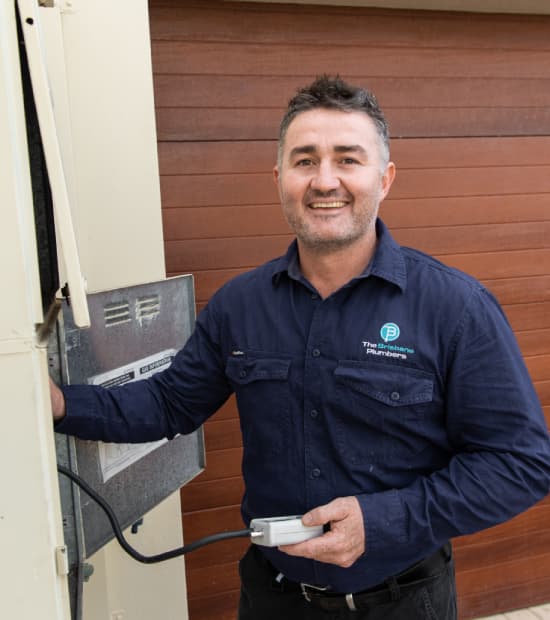
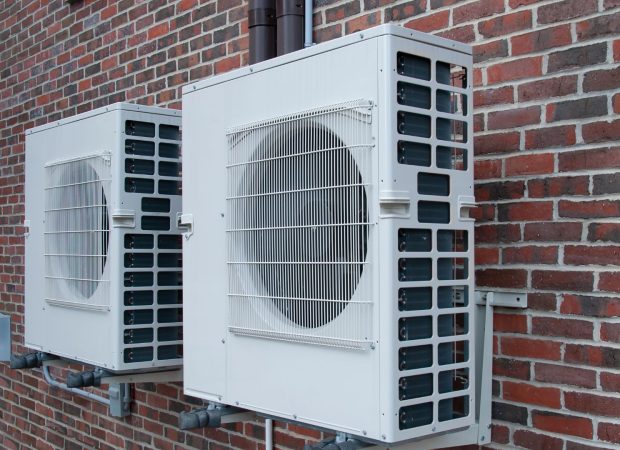
Thinking about upgrading your hot water system? Heat pump hot water systems, also known as heat pump water heaters, are rapidly gaining popularity across Brisbane and throughout Australia.
These innovative systems extract heat from the surrounding ambient air, using it to heat your water, much like a reverse cycle air conditioner.
Compared to traditional electric hot water systems, heat pump systems offer significant advantages. They boast superior energy efficiency, often translating to lower energy bills and reduced carbon emissions. Unlike solar hot water systems, heat pump systems work independently of the sun, providing hot water consistently throughout the year, regardless of weather conditions.
This comprehensive guide will delve into maximising the performance of your heat pump hot water system. We’ll cover everything from optimising settings for efficiency to ensuring proper maintenance for a long lifespan. We’ll also explore potential issues like unusual noises, compare different system types, and provide solutions to keep your hot water system running smoothly for years to come.
Table of Contents
- 1 Choosing the Right Heat Pump System for Your Home
- 2 Types of Heat Pump Systems
- 3 Importance of Proper Sizing and Installation
- 4 Rebates and Incentives
- 5 Maintaining Energy Efficiency
- 6 Sustainable Living Solutions
- 7 Best Practices for Heat Pump Hot Water System Usage
- 8 Comparing Heat Pump Systems with Other Hot Water Options
- 9 Troubleshooting Your Heat Pump Hot Water System
- 10 Professional Heat Pump Services in Brisbane
Choosing the Right Heat Pump System for Your Home
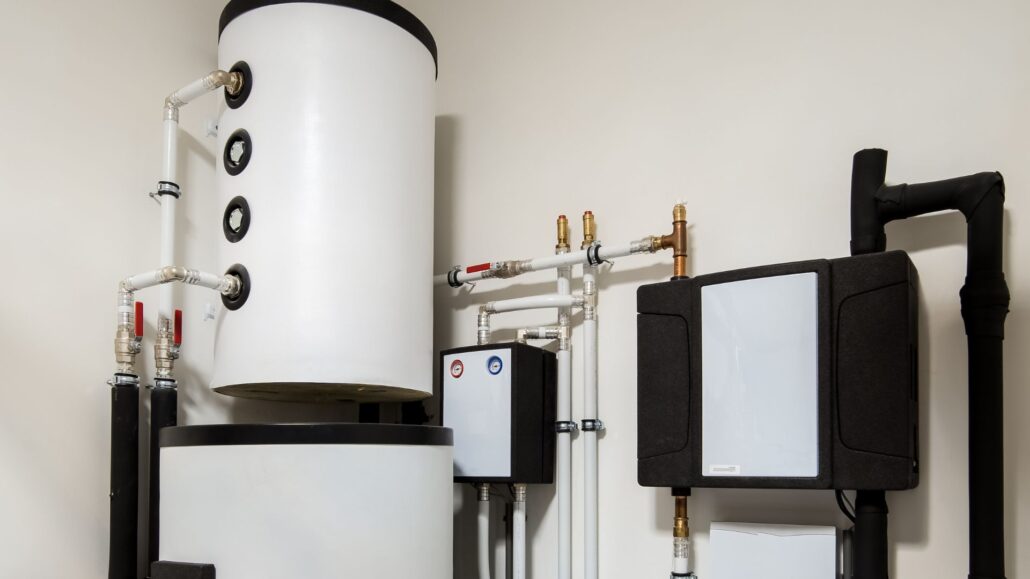
When selecting a heat pump system for your home, several factors come into play. Consider your household size, climate, and available space. Larger families may require a system with a larger storage tank, while those in colder regions might benefit from a heat pump hot water system with an electric boost element for optimal performance.
Types of Heat Pump Systems
There are different types of heat pumps to choose from. Air-source heat pumps extract heat from the ambient air and are suitable for most climates. Ground-source systems, though more expensive to install, offer higher energy efficiency. Hybrid systems combine heat pump technology with other heating methods, providing flexibility in various conditions.
Importance of Proper Sizing and Installation
Proper sizing and professional installation are crucial for many heat pump systems to perform optimally. An undersized system may struggle to meet your hot water demands, while an oversized one could lead to higher energy bills. Engage a qualified technician to conduct in-depth inspections and determine the most suitable option for your home.
Rebates and Incentives
Many governments offer rebates and incentives for installing energy-efficient systems. Look into programs like the solar homes program, which may provide financial support for heat pump water heaters or solar hot water systems.
Maintaining Energy Efficiency
To maintain energy efficiency and lower energy costs, ensure proper ventilation around the outdoor unit and regularly clean air filters. Adjust temperature settings and use built-in timers to optimise energy use. For solar homes, integrating solar panels with a heat pump hot water system can further reduce electricity bills and carbon emissions.
Regular maintenance is essential for a well-maintained heat pump to operate at optimum performance. Schedule annual check-ups to address potential issues like unusual noises or reduced efficiency. In some cases, you may need to consider a new hot water system if your current one is outdated or inefficient.
Sustainable Living Solutions
For sustainable living, consider split systems that allow for flexible installation options, such as placing the outdoor unit away from bedroom windows to minimise noise issues. Some heat pump systems can also provide space heating, offering a comprehensive solution for your home’s heating needs.
Best Practices for Heat Pump Hot Water System Usage
Unlike a traditional electric hot water system, heat pump hot water systems extract heat from the surrounding air to heat your water. This makes them much more efficient! To get the most out of yours, here are some tips:
- Ideal water temperature: Most heat pumps operate efficiently at around 55°C. Setting your heater any higher will use more energy.
- Off-peak power: Many Australian energy providers offer cheaper electricity rates during off-peak hours. Take advantage of this by scheduling your heat pump to heat water during these times.
- Regular maintenance: Keep your system running smoothly with regular maintenance. This includes cleaning the air filters (usually monthly) and having a qualified technician check the refrigerant levels every two years.
- Protect the outdoor unit: The outdoor coil of your heat pump does most of the work, extracting heat from the surrounding air. Keep it clear of vegetation and debris to ensure optimal performance. In extreme weather conditions, like very hot days, some systems may need to be shaded to prevent overheating.
- Insulated pipes: Heat loss through pipes can reduce efficiency. Ensure your hot water pipes are well insulated to maintain hot water temperature throughout your home. This small investment can lead to big savings on your energy bills.
Comparing Heat Pump Systems with Other Hot Water Options
While heat pump hot water systems offer exceptional energy efficiency, it’s worth understanding how they compare to other popular options available to Brisbane homeowners.
Heat Pump vs Gas Systems: Gas hot water systems provide instant hot water but rely on natural gas availability and produce direct emissions. Heat pumps use renewable energy from the air and can reduce your carbon footprint by up to 70%. However, if you’re considering gas hot water installation brisbane for high-demand applications, gas systems can still be viable.
Heat Pump vs Electric: Traditional electric systems cost significantly more to run, with energy consumption up to three times higher than heat pumps. Switching to a heat pump can cut your hot water energy costs by 60-70%.
Heat Pump vs Solar: Solar hot water systems offer excellent efficiency on sunny days but require backup heating during cloudy periods. Heat pumps provide consistent performance year-round without relying on sunlight.
The Brisbane Plumbers can assess your home’s requirements and help you select the most cost-effective solution for your needs.
Troubleshooting Your Heat Pump Hot Water System
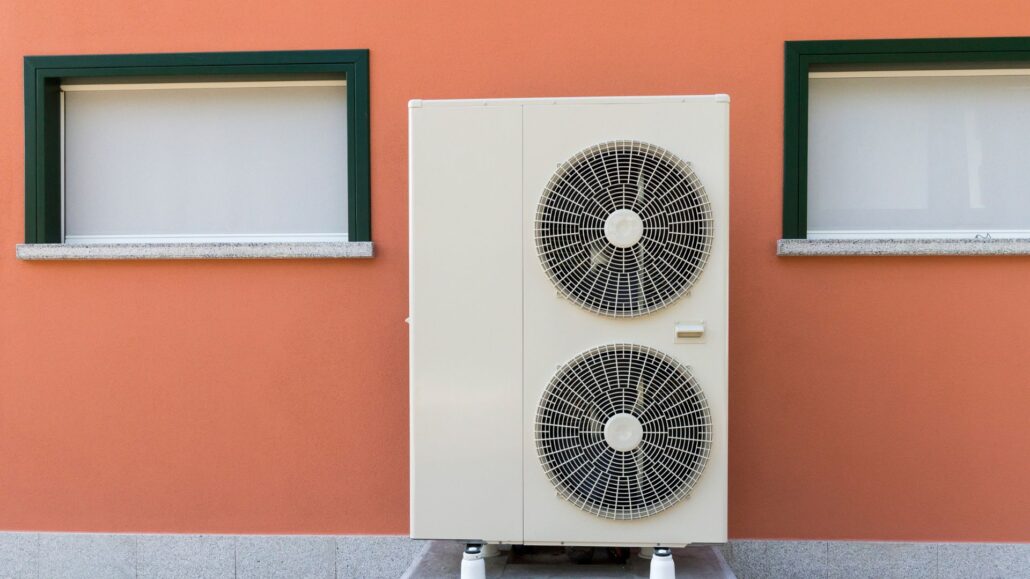
Enjoying the benefits of a heat pump hot water system? Like any appliance, occasional issues can arise. Here’s how to tackle some common problems:
Unusual Noises: Modern heat pumps are generally quiet, but strange noises like clanging or grinding could indicate loose parts or a struggling pump. Check for any blockages around the outdoor unit and ensure proper ventilation. If the noise persists, call a professional.
Low Hot Water: Many factors can contribute to this. Check the thermostat settings on your hot water heat pump system. A low-temperature setting or high ambient air temperature can affect performance. Dirty air filters or clogged outdoor and indoor coils can also hinder efficiency. Regular maintenance is key!
Fluctuating Water Temperature: This could indicate a faulty heat exchanger or malfunctioning electric boost element. Both require professional attention. In rare cases, a build-up of sediment in the storage tank might be the culprit.
Calling a Professional: If troubleshooting steps don’t solve the issue or for complex problems, it’s best to call a licensed plumber or electrician with experience in heat pump hot water systems. They can perform in-depth inspections and repairs to get your system running optimally again. The Brisbane Plumbers also provide gas hot water systems repair brisbane for customers with gas units experiencing similar issues.
Preventing Issues: To keep your heat pump hot water system efficient and reliable, consider these tips:
- Regular Maintenance: Schedule regular check-ups by a qualified technician. This ensures optimum performance and helps identify potential issues before they escalate.
- Air Filters: Clean or replace air filters regularly as per the manufacturer’s instructions.
- Storage Cylinder Temperature: Adjust the temperature settings on your hot water heat pump to suit your needs. Lower settings can bring down energy bills.
- Solar Integration: Thinking of going solar? A heat pump hot water system can integrate well with solar panels for even lower energy costs and a more sustainable lifestyle.
Professional Heat Pump Services in Brisbane
By following these simple tips, you can maximise the efficiency and lifespan of your heat pump hot water system. Remember, a well-maintained system will save you money on energy bills in the long run.
For expert advice and high-quality service, look no further than The Brisbane Plumbers. Our team of qualified technicians are specialists in heat pump installation and maintenance, ensuring your hot water system runs smoothly and efficiently for years to come. Contact The Brisbane Plumbers today and see the difference a professional touch can make.