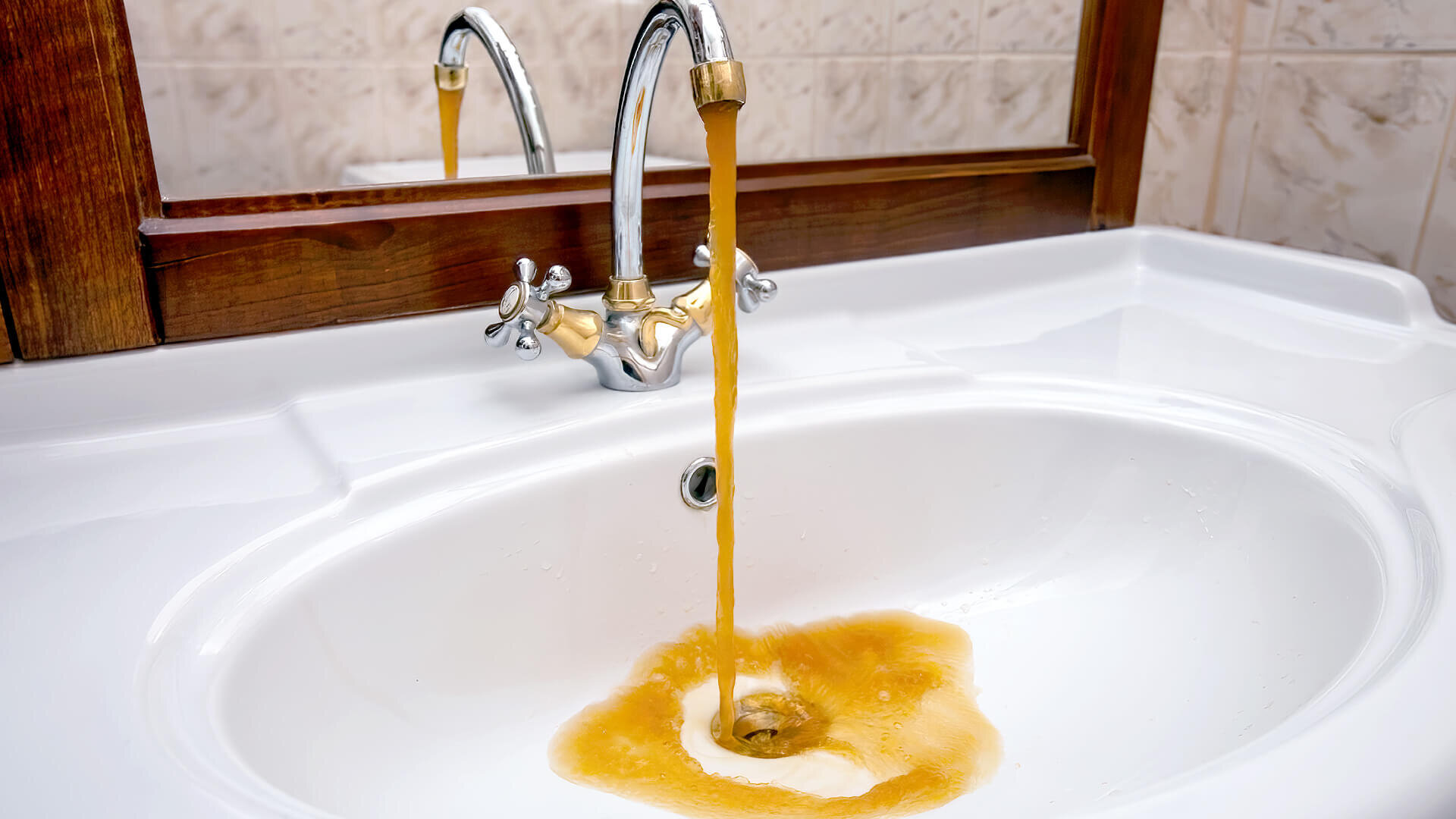
You turn on the tap expecting clear water, but instead, a rusty brown stream flows out. It’s not a pleasant sight, and your first instinct is probably to wonder whether it’s safe to use.
Brown tap water is a common issue in Brisbane homes, and in most cases, it’s caused by rust, sediment, or mineral deposits that have been disturbed in your pipes. This can happen after nearby construction, changes in water pressure, or simply because your plumbing is getting older. While it’s usually not dangerous, it’s not something you should ignore.
Understanding what’s causing the discolouration is the first step to fixing it. This guide explains the most common reasons for brown water, how to troubleshoot the issue, and when it’s time to call a professional plumber.
Reasons for Brown Water
Over time, rust, sediment, and minerals can accumulate in your water supply, causing it to become discoloured or even brown. This issue is common and can affect water flow in your pipes. You might notice brown water from your cold taps, often resulting from nearby construction or disruptions to the water main. Any disturbance in the water flow, such as changes in pressure or pipe activity, can loosen deposits, allowing them to enter your water.
One of the most common causes is damage to your plumbing system, such as leaking or burst pipes. When pipes are repaired or replaced, air bubbles and movement within the system can dislodge rust and other particles, leading to temporary brown water. The water will often clear after running the taps for a few hours.
If the issue persists, it might indicate a more serious concern, such as a rusted pipeline or an old hot water heater nearing the end of its life. Discolouration caused by these factors may require professional intervention to inspect and resolve the problem.
Air bubbles can also contribute to the appearance of discoloured water, as they can stir up settled particles within the pipes. Regular maintenance of your plumbing system and prompt attention to leaks or damage can help prevent these issues. If brown water continues, contacting an expert for a thorough evaluation is essential to restore clean water and ensure your plumbing system is in good condition.
Should You Worry About Brown Water From the Tap Hurting Us?
The brown colour in tap water often comes from excess iron due to rust. This can happen when pipes corrode or disturbances in the water system. While it may not appear alarming, drinking dirty tap water is not advisable. Rusty water can create an environment for bacteria to grow, and cracks or corrosion in pipes may allow additional contaminants like mould or mildew to enter. Ignoring these issues can lead to more significant problems, such as leaks or reduced water pressure.
Flushing Your Taps to Resolve the Issue
If you notice brown water coming from a cold tap, start by running it for at least 20 minutes. This can help flush out rust or sediment that may have been dislodged. If the water runs clear after this, the problem is likely temporary. However, if the tap water’s brown colour persists, it could indicate a more serious issue within your home’s plumbing rather than the local water supply.
Checking the Closest Tap to the Mains
Sometimes, water may take longer to clear at indoor taps due to the distance from the mains. Locate an outdoor or front garden tap, often closest to the water supply. Running this tap for a few minutes should clear the water faster. If this tap runs clear, indoor taps still show discoloured water, which may point to internal plumbing issues.
Potential Problems with Your Hot Water System
If the brown water only comes from the hot tap, the issue could be related to your hot water service. Sediment build-up or rust inside the heater can mix into the water, causing discolouration. This often signals that the hot water system is nearing the end of its lifespan and may require replacement.
Brown water can come from various sources, and narrowing down the cause is essential.
Issues with Your Hot Water System
Brown water coming from a warm water tap may indicate a problem with your hot water heater. Sediment or scaling can build up at the bottom of the unit, muddying the water. Rust inside the heater can also mix into the supply, especially as the system ages. This might indicate that the hot water heater is nearing the end of its life. If this happens, it’s best to contact a hot water system expert to inspect the unit.
Neighbourhood-Wide Problems
Speak to your neighbours to check if they’re also noticing brown water. Nearby issues, such as fire hydrant testing or disturbances in the main water line, can stir up sediment or organic matter, leading to discoloured water for multiple homes. It is likely a temporary issue if this clears within a few hours. If not, your neighbours could help report the problem and arrange a check of the neighbourhood’s pipes.
When Brown Water Signals a Serious Plumbing Problem
In most cases, brown tap water clears up after flushing your pipes for a few minutes. But if the discolouration persists or keeps coming back, it could be a warning sign of something more serious in your plumbing system.
Corroded or damaged pipes can allow rust and sediment to continuously enter your water supply. In older Brisbane homes with galvanised steel pipes, this is especially common as the pipes deteriorate from the inside out. Worse still, severely corroded pipes can develop cracks or pinhole leaks that go unnoticed for weeks or months.
If your brown water is accompanied by a drop in water pressure, damp spots on walls or floors, or an unexplained spike in your water bill, you may be dealing with a hidden leak. In these situations, treat it as a water leak emergency and contact a licenced plumber to inspect your pipes before the damage spreads.
Preventative Measures to Avoid Discoloured Water
Regular maintenance of your plumbing system can help prevent brown water issues.
- Inspect pipes periodically for signs of rust or corrosion and address leaks early. Consider replacing old galvanised pipes with newer materials like PVC or copper, which are more corrosion-resistant.
- Installing a sediment filter at the main water supply can also help trap rust, minerals, and debris before they reach your taps. A water softener can reduce the build-up of minerals that cause discolouration in homes with hard water.
- Flushing your water heater regularly is another effective measure. Sediment often accumulates at the bottom of the unit, leading to murky water. Periodic flushing clears this buildup and extends the heater’s life.
- If you live in an area prone to water disruptions, keep an eye on local utility updates to stay informed about maintenance or repairs that might affect water quality.
When to Seek Professional Help
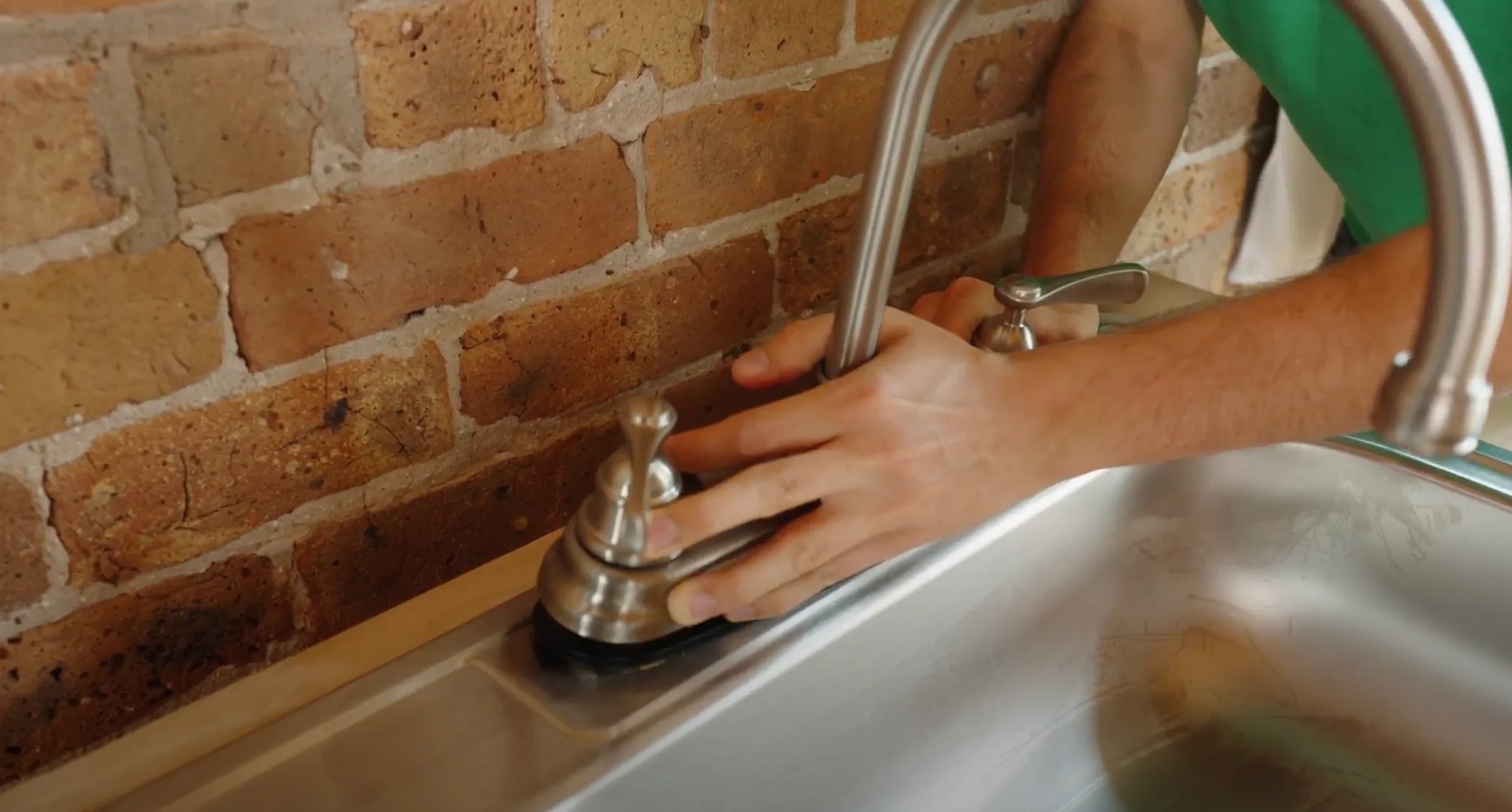
While some causes of brown water can be resolved with simple troubleshooting, certain situations require expert intervention. If the discolouration persists after flushing your pipes or if you notice a metallic taste or odour, contact a plumber.
A professional can diagnose more complex issues, such as corroded pipes in your home or problems with your water heater. If the issue stems from the municipal water supply, your plumber can help you communicate with local authorities to address the problem.
Persistent brown water could also be a sign of contamination. In such cases, consider water quality testing to ensure the safety of your home’s water supply. Regular checks and seeking expert advice when necessary can help maintain clean, clear, and safe water for everyday use.
Trust The Brisbane Plumbers to Fix Your Brown Water Problems
Seeing brown water from your taps can be concerning, but it doesn’t always mean there’s a major issue. Often, the discolouration is caused by rust, sediment, or disturbances in the water system. Running your taps for a few minutes can sometimes resolve the problem. However, if the water remains discoloured, it may point to issues such as rusted pipes, a failing hot water system, or more significant plumbing concerns.
Checking the tap closest to your water supply can help identify if the issue is isolated to your home or part of a neighbourhood-wide problem. If the brown water comes from your hot tap, it could indicate sediment or rust in your water heater, which might need replacing. Speaking with neighbours or contacting local water authorities can also help determine the cause.
For reliable help, contact professionals who can inspect and resolve any plumbing or pipe issues. The Brisbane Plumbers are experts in identifying and fixing problems, ensuring your water supply is clean and safe. Don’t leave the issue unchecked. Contact us for our expert plumbing and pipe replacement services to restore your water system to proper working order.