Living in Brisbane means enjoying the convenience of natural gas in our homes. Gas lines safely supply this natural gas to gas appliances like stoves, dryers, water heater systems, and more. However, gas lines and appliances can malfunction over time, leading to dangerous gas leaks that threaten your family’s safety. This makes regular gas line inspections and maintenance crucial for every Brisbane homeowner.
Gas leaks pose serious risks like illness, explosions, and even death due to carbon monoxide poisoning. Faulty gas lines and appliances account for thousands of yearly home fires and gas leak incidents across Australia. Staying vigilant with annual gas line inspections can prevent tragedy and keep your family safe from these invisible dangers that can develop without warning.
In this article, we’ll explore why regular gas line inspections are vital for Brisbane home safety. You’ll learn how to spot potential leaks, determine when to call a professional, choose a licensed plumber you can trust, and know what to expect during a standard inspection. Understanding when a suspected leak requires immediate emergency response versus routine inspection is also critical for protecting your Brisbane property. With the correct information, Brisbane homeowners can protect their families from the dangers of gas leaks and maintain the safe use of natural gas in their homes.
Table of Contents
- 1 Gas Leaks Put Brisbane Families at Risk
- 2 Warning Signs of a Natural Gas Leak in Your Home
- 3 When to Call Emergency Services for Gas Leaks
- 4 How Often Should Gas Lines Be Inspected?
- 5 Choosing a Licensed, Experienced Plumber
- 6 What to Expect During a Gas Line Inspection
- 7 Contact The Brisbane Plumbers Today For Your Gas Line Safety Inspection
Gas Leaks Put Brisbane Families at Risk
Natural gas is a convenient and cost-effective way to power appliances in our Brisbane homes. However, gas line and appliance problems can lead to dangerous gas leaks. Faulty installation, lack of maintenance, damage and normal wear and tear can all cause leaks in gas pipes, water heaters, stoves and other components. These gas leaks put families at risk of illness, explosions, fires and even death from carbon monoxide poisoning.
Statistics show thousands of gas leak incidents occur in Australian homes every year. Faulty gas appliances account for a large portion of home fires annually. Carbon monoxide from leaks also leads to numerous illnesses and fatalities. Consistently with gas line inspections, maintenance, and repairs is crucial for preventing potential harm.
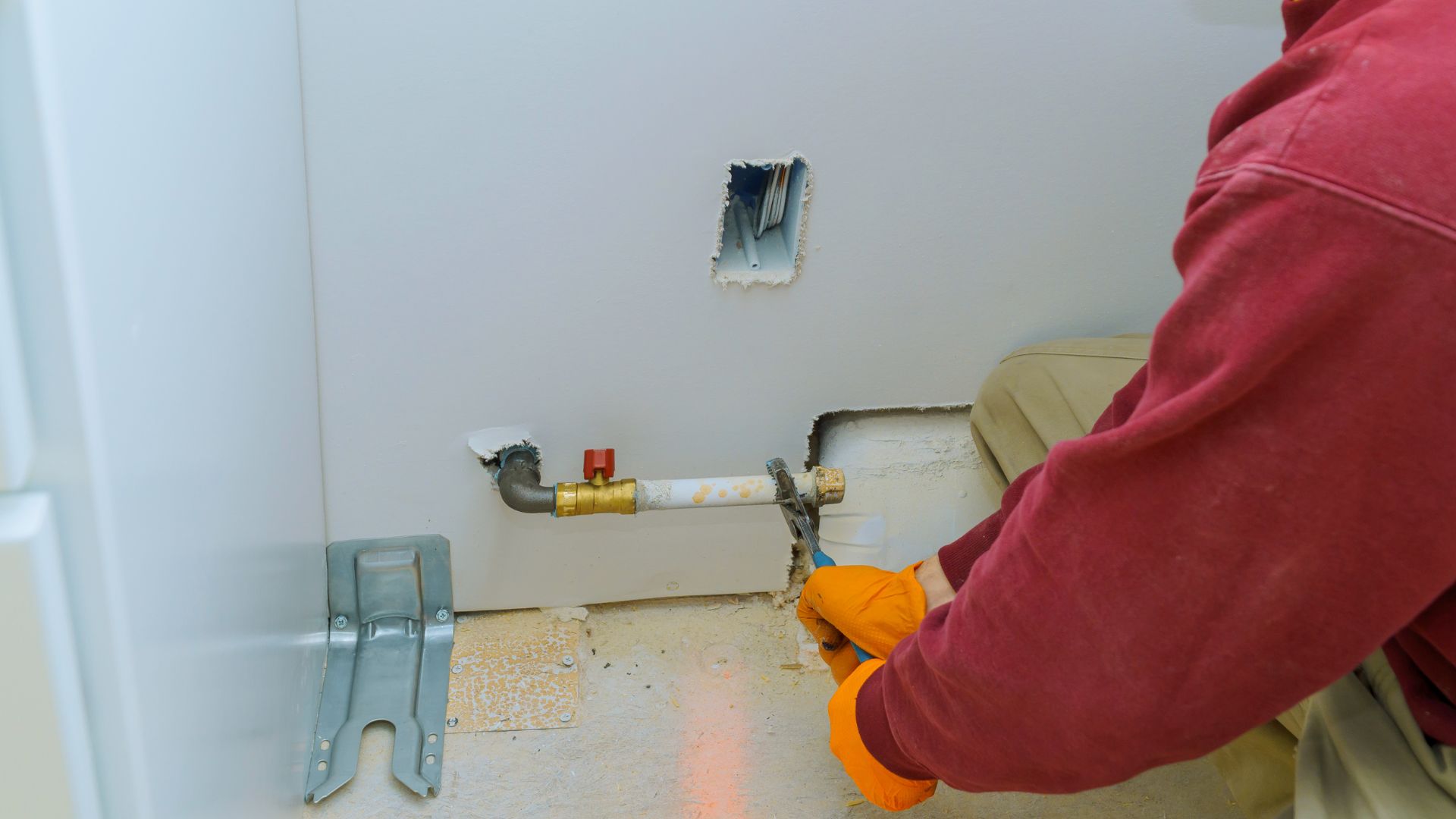
Over time, unseen leaks from small cracks or loose fittings are inevitable. Scheduling annual inspections catches these issues early. Licensed plumbers have the expertise to check your gas system thoroughly, identifying any leaks or problems. Timely repairs prevent dangerous gas build-up and ensure leaks don’t grow worse. Staying on top of maintenance also helps gas appliances run efficiently so that you can save money on energy bills.
Don’t take gas safety lightly. Regular inspections, maintenance, and any necessary repairs keep your family protected. Contact a licensed plumber today to schedule your gas line inspection. Their expert eye can uncover leaks and prevent tragedy in your Brisbane home.
Warning Signs of a Natural Gas Leak in Your Home
Gas leaks are often undetected, which makes regular inspections crucial. However, some clear warning signs signal it’s time to call a professional immediately. Recognising these signs can prevent a larger catastrophe in your home.
One of the most telling signs is a “rotten egg” smell, which is added to natural gas to help detect leaks. If you notice this odour near your gas appliances or pipes, you likely have a leak. Strange hissing or whistling sounds from your gas lines or appliances can also indicate escaping gas. Visual cues like dead vegetation or dirt being blown away near gas lines outside are red flags, too.

Indoors, clues to a dangerous gas build-up may include pilot lights that frequently blow out or won’t stay lit. Appliances with yellow, irregular flames could also signal a problem. Headaches, dizziness and nausea when gas appliances are used are also cause for concern.
If you suspect a leak, immediately evacuate the home and contact emergency services and a professional plumber. Never ignore the signs, as the results could be deadly. A qualified technician thoroughly inspecting your entire gas system is essential for identifying and stopping leaks. This ensures the continued safe operation of your heating equipment and appliances.
Stay vigilant for any hints of a leak. Trust the experts to make repairs and keep your gas pipelines and equipment running safely. Regular inspections provide peace of mind that your system is free of dangerous corrosion, faults, or other defects.
When to Call Emergency Services for Gas Leaks
If you detect any of the warning signs mentioned above, such as the distinctive rotten egg smell, hissing sounds, or physical symptoms like headaches and dizziness, you’re potentially facing a serious emergency that requires immediate action. Gas leaks don’t wait for convenient times and can escalate rapidly from a minor issue to a life-threatening situation. In these urgent circumstances, evacuate your Brisbane home immediately, avoid using any electrical switches or creating sparks, and once safely outside, contact emergency services followed by professional gas leak brisbane specialists who can respond quickly to contain the leak and make your home safe again.
The Brisbane Plumbers provide 24/7 emergency response for gas leaks throughout Brisbane, understanding that these dangerous situations demand immediate professional intervention. Our emergency team arrives equipped with specialized gas detection equipment, safety gear, and the expertise to locate leaks, shut off gas supplies safely, and perform emergency repairs to eliminate the danger. Don’t take chances with gas leaks. Immediate professional emergency response can prevent explosions, fires, and carbon monoxide poisoning, protecting your family and property from catastrophic consequences.
How Often Should Gas Lines Be Inspected?
To keep your home’s gas system running safely, professionals recommend inspecting your gas lines annually. More frequent inspections may be needed in certain situations. Being diligent is key, as even minor leaks can create a dangerous situation over time.
A thorough inspection should be done after installing gas appliances or lines. This ensures that all connections are correctly made and there are no leaks. It’s also wise to call a technician if you experience any shifts in your home, like earthquakes or foundation cracks, that could jostle pipes and fittings.
Age and pipe material are other factors to consider when scheduling inspections. Older steel pipes are more prone to corrosion and joints loosening than newer, more durable materials. Old appliances also pose higher risks for malfunctions, leading to gas leaks. If your system is over 10 years old, bi-annual inspections are a wise precaution.
No matter what, an annual inspection by a trained professional should be the minimum. Their expertise and the right tools can detect even minor problems not visible to the naked eye. Stopping leaks quickly preserves air quality, prevents gas build-up, and ensures efficient energy use.
Choosing a Licensed, Experienced Plumber
When it’s time for your annual gas line inspection, choosing the right plumber is key. You want a knowledgeable professional you can trust to thoroughly inspect your system and make any needed repairs or replacements.
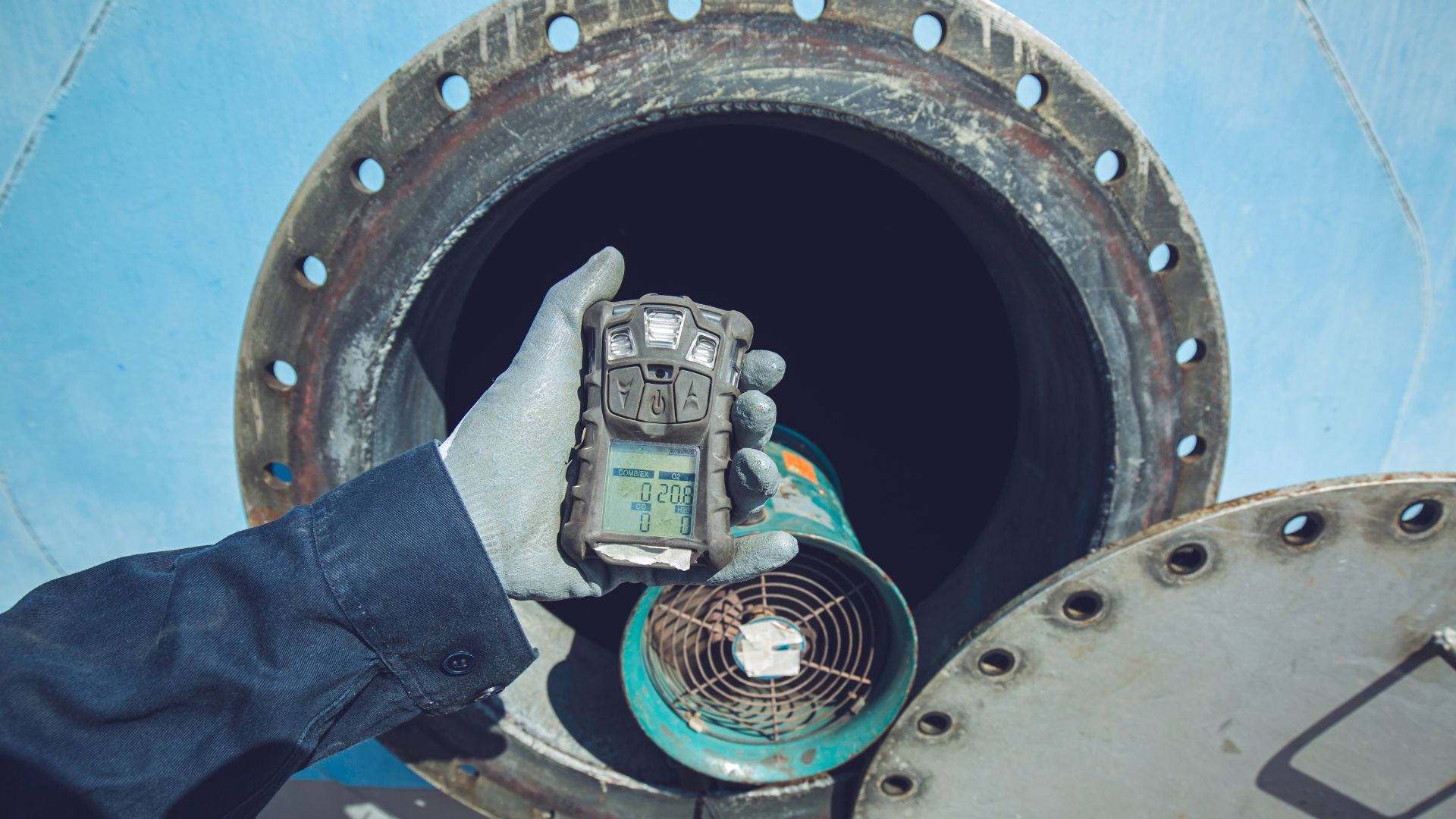
Look for plumbers who are explicitly licensed in proper installation and servicing. Extensive hands-on training and certification ensure they have the expertise to meet the highest safety standards. It also guarantees proper procedures are followed during the inspection.
In addition to licenses, look for plumbers with years of experience with gas lines. They will be familiar with signs of wear in the pipeline, potential weak spots, and issues to flag. Experience also means efficiency – they know how to inspect a system fully in a reasonable timeframe.
You also want a plumber with a solid reputation and proven track record. Check reviews and references to verify they deliver quality work and stand behind their service if problems arise later. Liability insurance is also necessary to ensure you are covered in the unlikely event of an accident on your property.
For peace of mind, look for a plumber available 24/7 for emergency calls. Gas leaks don’t happen on a schedule, so a timely response is crucial. Choose a plumber who can address problems day or night and will prioritise your safety.
What to Expect During a Gas Line Inspection
Knowing what to expect during your annual gas line inspection allows you to plan accordingly and get the most out of the visit. Professional plumbers follow a thorough process to check your entire system.
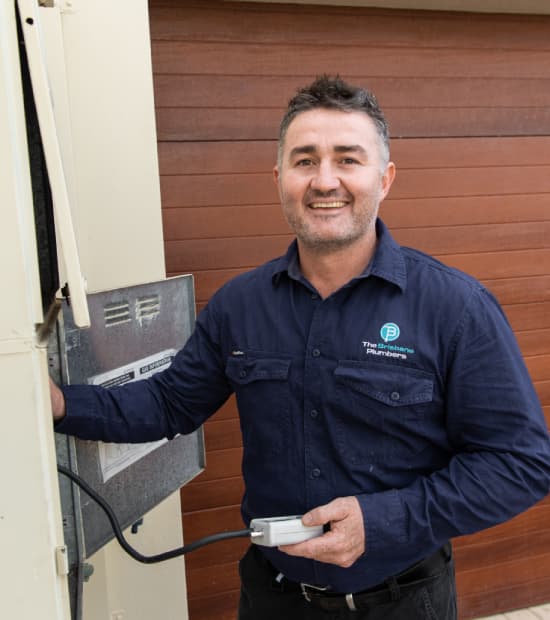
The inspection starts with visually checking all interior gas lines and appliances. The technician will look for signs of leaks, corrosion, loose fittings and other red flags. They may use special leak-detection tools and gauges to find even minuscule issues.
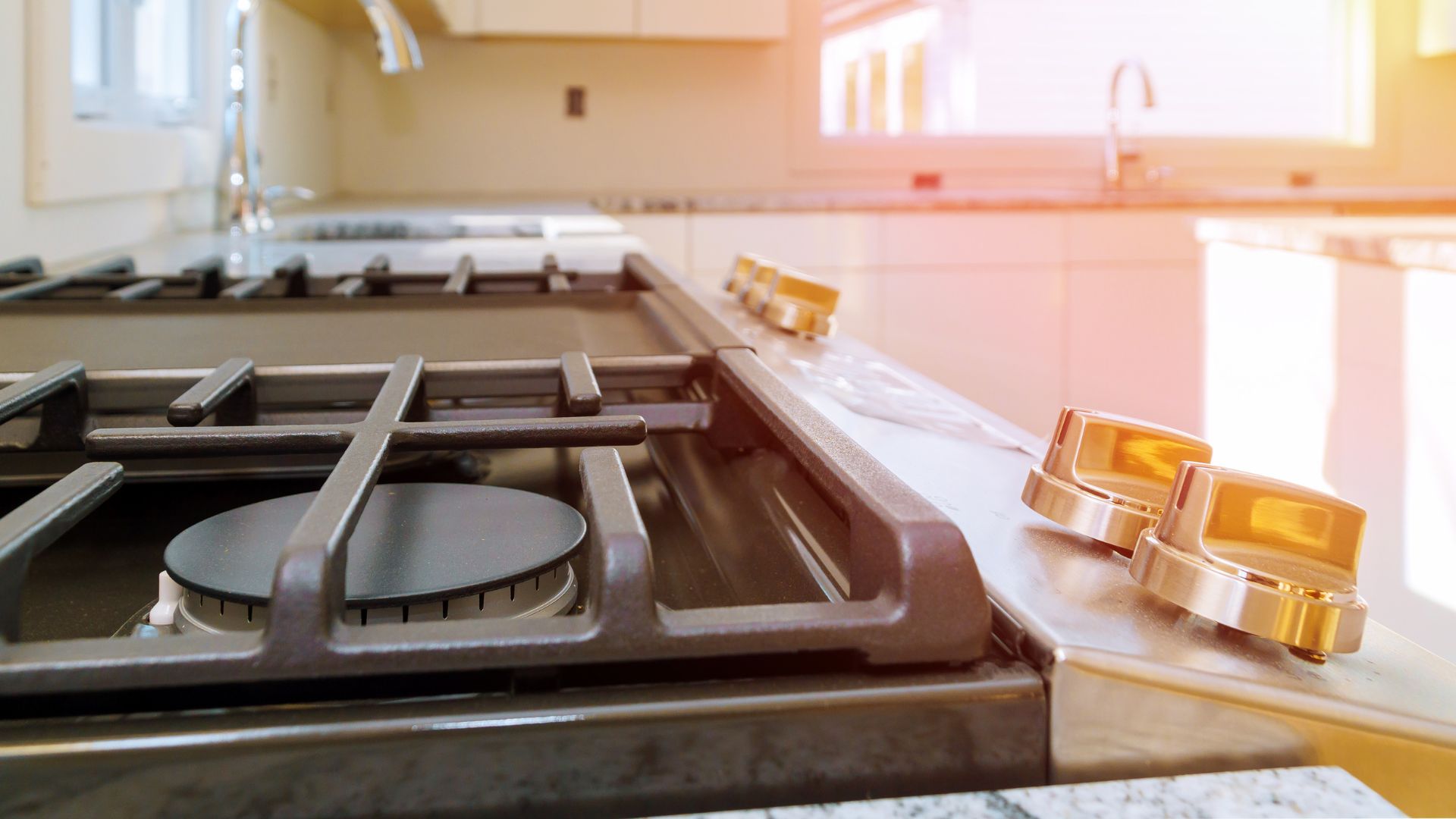
The inspector will also complete a test of all appliances. They ensure proper functioning, no blockages or flow issues, and clean burns. Pilot lights are checked, and burners are examined closely for problems.
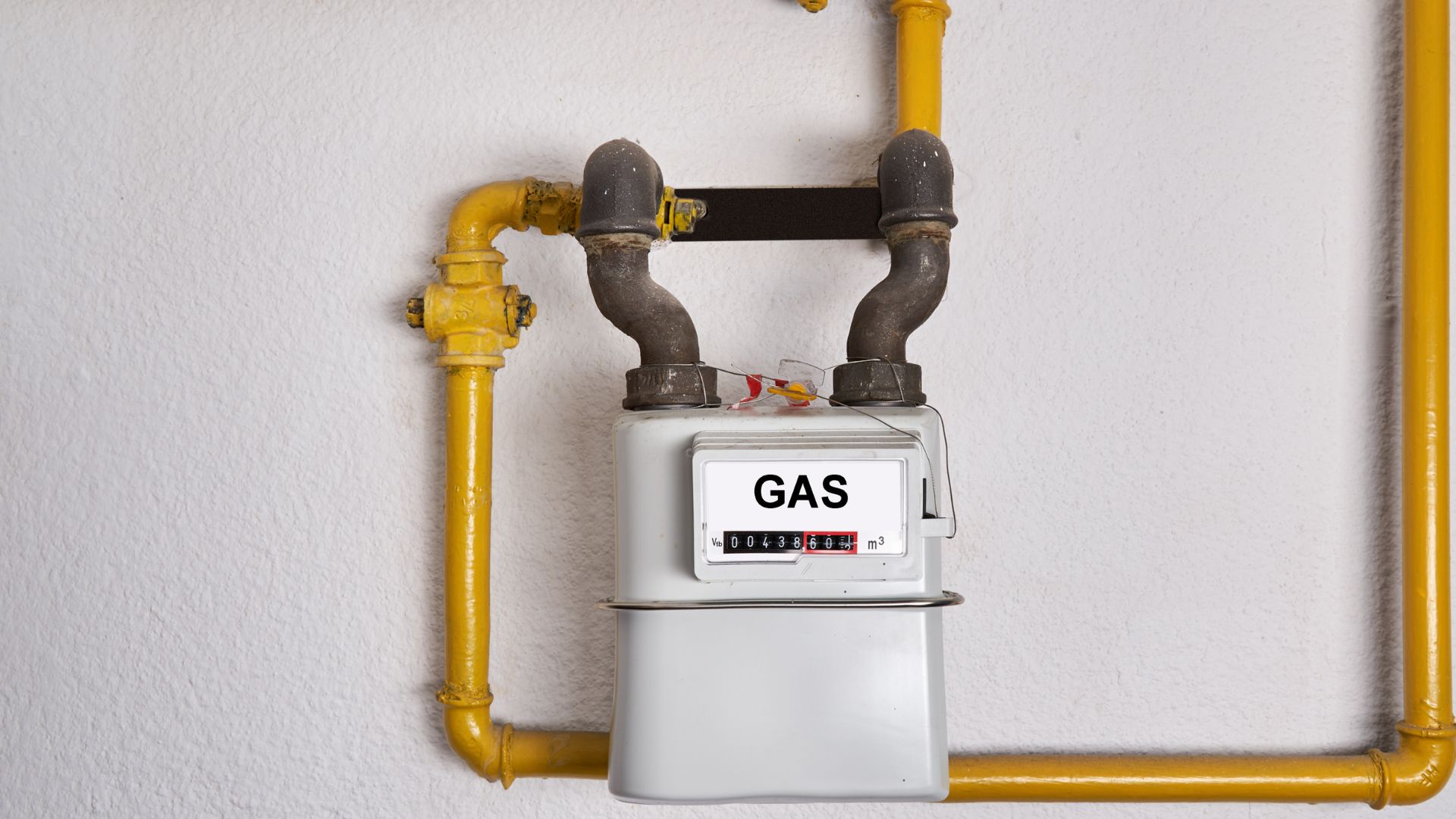
Exterior gas lines are also checked. The technician walks the perimeter, using leak detectors near pipes or gas meters. They look underground for signs of corrosion and proper pipe bedding. Any sections showing wear are marked for potential repairs.
During inspection, the technician already considers gas line maintenance needs and improvements. Simple repairs like tightening fittings may be made immediately. They will present you with recommendations for replacement parts, new pipes, or appliance upgrades. This prevents more significant problems down the road.
A complete inspection typically takes 1-2 hours. Afterwards, the technician provides a detailed report summarising the system condition, locations of leaks or faults, and repair recommendations. With this information, you can act quickly on any issues for ongoing safety and efficiency.
Remember – inspection is just the first step. Acting on recommended repairs is key to protecting your home from dangerous and costly gas leaks.
Contact The Brisbane Plumbers Today For Your Gas Line Safety Inspection
Regular gas line inspections are essential for keeping homes and families safe in Brisbane. Don’t wait until it’s too late – be proactive about protecting your property from leaks. Inspect gas lines regularly, and be vigilant for any signs of trouble in between visits.
Our experienced, licensed plumbers make inspections and any needed repairs quick, easy, and affordable. We are available 24/7 to address problems whenever they arise. You can trust our certified experts to detect even small leaks before they become dangerous.
Contact The Brisbane Plumbers today to schedule a thorough inspection. We stand behind our work, providing reliable maintenance for peace of mind. Our top priority is keeping homes across Brisbane safe from the risks of gas leaks. Don’t play guessing games about your gas system’s safety. Call now to have a qualified technician inspect your lines and ensure many more years of efficient and reliable service. Your family’s safety is our highest concern – let The Brisbane Plumbers peform a gas line inspection so you can breathe easier.