
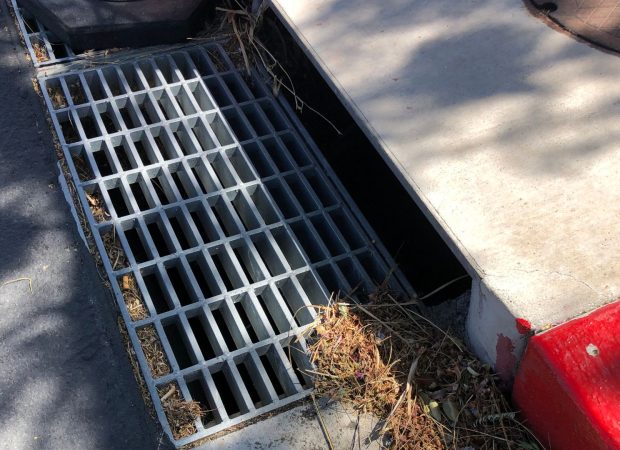
Extreme weather is becoming more frequent, and the CSIRO points out that short bursts of intense rainfall have increased by at least 10% in some areas. The ARC Centre of Excellence for Climate Extremes warns that these heavy downpours can lead to flooding and major issues, especially when other factors, like blocked drains or saturated ground, come into play.
Don’t let a small leak fool you. What starts as a trickle can quickly turn into a pricey problem. Ignoring it could mean damage to walls, floors, or foundations, leaving you with steep repair bills. You’ll also notice a spike in your water bill and the environmental impact of all that wasted water. And with utility costs on the rise, that’s an expense you definitely don’t need.
Table of Contents
- 1 Common Signs of Stormwater Drain Leaks
- 2 Visible Indicators of a Leaking Stormwater Drain
- 3 Subtle Signs of Stormwater Drain Leaks
- 4 Consequences of Ignoring Leaks
- 5 Causes of Stormwater Drain Leaks
- 6 Tree Roots Infiltrating Pipes
- 7 Old or Degraded Materials
- 8 Heavy Rains Overwhelming the System
- 9 Improper Installation or Poor-Quality Materials
- 10 Structural Shifts in Soil
- 11 DIY Checks Before Calling a Plumber
- 12 Inspect Outdoor Areas
- 13 Test Water Flow During Light Rains
- 14 Remove Visible Debris
- 15 How to Clear Stormwater Drainage Issues Yourself: Step by Step
- 16 What Tools Do You Need to Clear a Stormwater Drain?
- 17 Professional Stormwater Drain Leak Repairs
- 18 Longer-Term Solutions for Recurring Stormwater Drainage Issues
- 19 Preventative Measures to Protect Your Stormwater System
- 20 Stormwater Maintenance Schedule for Brisbane Homes
- 21 Brisbane’s Trusted Solution for Blocked Stormwater Drains
Common Signs of Stormwater Drain Leaks
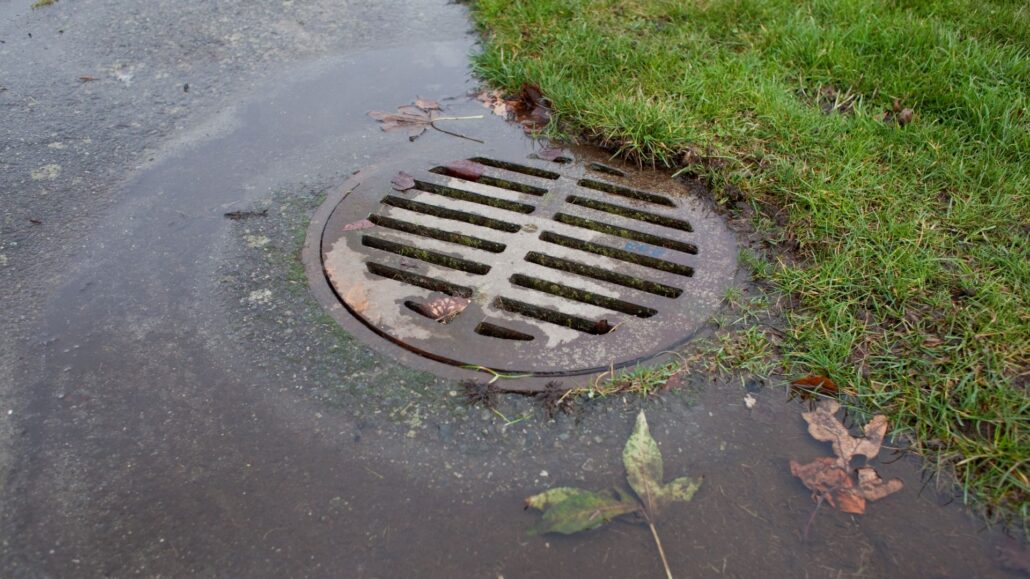
Leaking stormwater drains can be a nightmare for homeowners, leading to everything from cracked foundations to expensive repair bills. Spotting the early signs of a leak can save you a lot of headaches (and money) by preventing bigger issues down the track.
Visible Indicators of a Leaking Stormwater Drain
If you notice pooling water around your property after a heavy downpour, it could be a telltale sign of a stormwater drainage issue. Look out for standing water near stormwater grates, drainage pits, or pipes. This often points to a blocked drain.
Other red flags include unexplained damp patches on your lawn, water puddling around drain pipes or slow drainage near storm drains. Cracks in concrete or driveways might indicate erosion caused by leaking stormwater systems. Overflowing gutters and sudden mould growth near underground pipes are also clear indicators that something’s off with your drainage.
Subtle Signs of Stormwater Drain Leaks
If you catch a foul smell around drainage areas, it’s often a sign that you’re dealing with a blocked stormwater drain or clogged pipe. Strange gurgling noises coming from blocked stormwater pipes, the shower drain, or roof gutters usually point to minor blockages that could turn into bigger problems if ignored.
Slow drainage in the stormwater system can cause water to overflow, while a sudden spike in water usage might hint at a hidden leak in the drainage system.
Consequences of Ignoring Leaks
Ignoring stormwater blockages and leaks can spell trouble, leading to soil erosion, structural damage, and even flooding during heavy rain. Tree roots, leaves, and other debris, sometimes even food scraps, can clog up drains and pipes, creating damp conditions that are perfect for mould growth.
Blocked stormwater drainage can also cause excess water to spill over, potentially harming local waterways and damaging your property.
Causes of Stormwater Drain Leaks
Knowing what causes leaks in your stormwater drainage system can save you from expensive repairs and the headaches that come with property damage. Here’s a closer look at the most common culprits behind stormwater drain leaks, and what you can do about them.
Tree Roots Infiltrating Pipes
One of the main culprits behind stormwater drain blockages is root intrusion. Tree roots are naturally attracted to the moisture inside stormwater pipes, and over time, they can work their way into underground pipes, leading to blockages and slow drainage.
Regular maintenance is key to catching minor root issues before they become major headaches. Using a high-pressure water jet or a drain auger is an effective way to clear blocked pipes and keep things flowing smoothly.
Old or Degraded Materials
Many older homes have stormwater drainage systems made from outdated materials that can break down over time. Cracked pipes and worn grates can cause blocked drains, damp patches, and water pooling around the property. Instead of replacing the whole system, pipe relining offers a more affordable fix. It’s a good idea to have a licensed plumber inspect your drainage regularly to catch small issues before they turn into bigger (and more expensive) problems.
Heavy Rains Overwhelming the System
During heavy rain, stormwater drainage pits and roof gutters can overflow, causing excess water and blocked drains. If a stormwater drain gets clogged early in a downpour, it can quickly lead to serious flooding and plumbing headaches.
Regular maintenance, like clearing out leaves, debris, and even food scraps, can help prevent flooding and keep water flowing smoothly through your drains.
Improper Installation or Poor-Quality Materials
Poor installation or using cheap materials can lead to all sorts of stormwater drainage problems. If you notice clogged drains, strange gurgling noises, or foul smells around drain pipes, it could be due to a shoddy installation.
Hiring a professional plumber to handle the installation or repairs can prevent blockages and make sure your system works like it should.
Structural Shifts in Soil
Changes in weather or nearby construction can cause soil to shift, which might damage stormwater pipes and lead to blockages or slow drainage. These shifts can also crack pipes, resulting in water pooling or runoff into local waterways. Regular inspections can catch potential issues early and prevent further damage to your property.
Having a licensed plumber routinely check and clear your stormwater pipes can keep your drainage system in top shape, saving you from expensive repairs down the line. Plus, if you’re unsure about maintenance, your local council might have helpful advice on keeping your property safe during heavy rain.
DIY Checks Before Calling a Plumber
Doing a few simple DIY checks on your stormwater drains can help you spot potential blocked stormwater drain early before they turn into bigger problems. Here’s what you can do:
Inspect Outdoor Areas
Begin by checking the outdoor areas around your property for signs of a blocked stormwater drain. Keep an eye out for water pooling near drainage pits, grates, or along stormwater pipes. Damp patches or standing water can hint at a blockage or leak. You should also look out for tree roots or structural damage around underground pipes, as these could be behind your drainage issues.
Test Water Flow During Light Rains
When it’s raining lightly, take a moment to see how water moves through your drainage system. If you notice slow drainage or water pooling around storm drains, gutters, or pipes, it could be a sign of a blockage. Listen for gurgling noises coming from pipes or gutters. These sounds often mean there’s a minor blockage that could turn into a bigger problem if left unchecked.
Remove Visible Debris
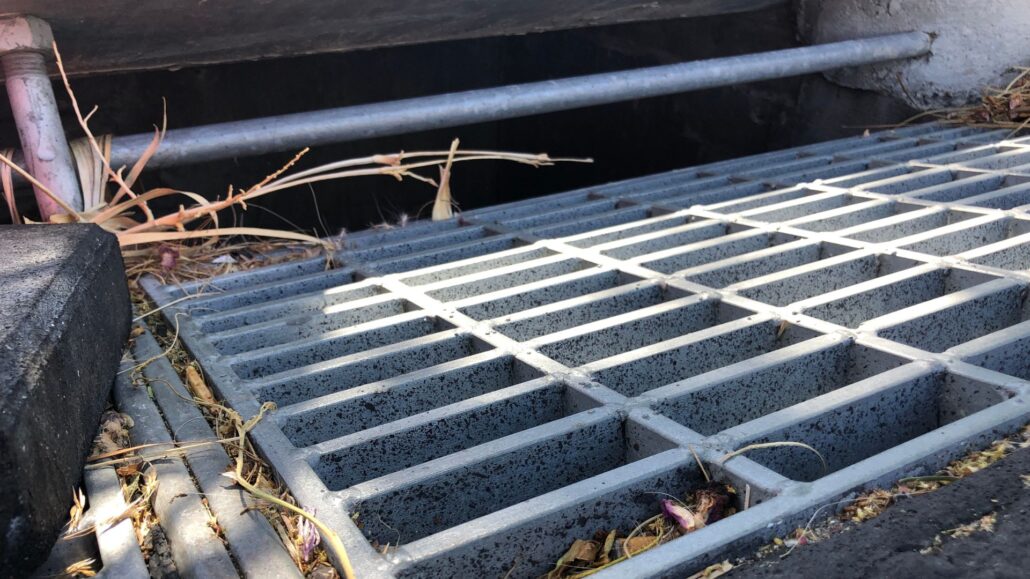
Clearing leaves, food scraps, and other debris from stormwater grates, roof gutters, and drain pits can go a long way in preventing blockages in your drainage system. Make sure nothing is blocking the flow of water in runoff areas. If you notice slow draining or a blocked water drain, it could be a sign of a bigger issue like root intrusion or a major blockage.
While these DIY checks are great for spotting minor problems, it’s important to call in a qualified plumber for accurate diagnosis and repairs. Serious issues like stubborn blockages, slow drainage, or structural damage should be tackled using professional tools like high-pressure water jets, drain augers, or pipe relining. If heavy rain or a drainage problem is making you worry, getting help from a professional can prevent costly property damage and ensure your stormwater system is ready to handle whatever comes its way.
How to Clear Stormwater Drainage Issues Yourself: Step by Step
Most everyday stormwater drainage issues come down to three things you can often sort out yourself: a blocked pit or downpipe, leaf-choked gutters, or silt building up under a surface grate. Work through these steps in order before you reach for the phone, but stop and call a licensed plumber the moment you hit a blockage you can’t shift or anything below ground.
- Clear your gutters and downpipes first. Scoop leaves and debris out of the gutters by hand (gloved) with a gutter scoop, then check each downpipe outlet. A choked downpipe is the most common cause of overflow during a Brisbane downpour, and it’s the easiest fix.
- Lift and clear surface grates and pits. Use a pit key (or a flat-head screwdriver under the lip) to lift the grate on each surface pit. Scoop out the silt, leaves and mud that collect in the bottom of the pit. This is where most blockages start.
- Flush the downpipe or pit with a garden hose. Run a garden hose into the cleared downpipe or pit and watch how the water moves. If it drains away freely, you’ve cleared it. If it backs up or pools, the blockage is further down the line.
- Locate the blockage. Flush each section in turn (gutter to downpipe, downpipe to pit, pit to pit) until you find where the water stops flowing away. That tells you whether the problem is at the surface (yours to clear) or underground (a licensed plumber’s job).
- Know when to stop. If the water won’t clear after flushing, several fixtures or pits back up together, or you suspect a collapsed or root-filled pipe, stop. Pushing harder can damage the pipe. That’s the point to call a plumber with a drain jetter and a CCTV camera.
What Tools Do You Need to Clear a Stormwater Drain?
A few basic tools cover most surface-level stormwater jobs. Here’s what each one is for, and where its limits are.
- Gloves: Always wear sturdy gloves. Stormwater pits hold sharp debris and bacteria-laden mud.
- Gutter scoop: For clearing leaves and sludge out of gutters and pits quickly without damaging them.
- Garden hose: For flushing downpipes and pits and confirming water flows away freely. Limit: a hose won’t shift a solid blockage or tree roots in an underground pipe.
- Plumber’s drain snake (auger): A hand auger can clear minor blockages near the surface of a downpipe or pit. Limit: stop if you meet firm resistance. Forcing it can crack older pipes.
- Wet/dry vacuum: Handy for sucking standing water and wet silt out of a pit so you can see and reach the outlet.
- Pressure washer: Useful for blasting caked silt and grime off grates and pit surrounds. Limit: a domestic pressure washer is for cleaning surfaces, not clearing blockages deep in a pipe.
- Pit key: The proper tool for lifting surface-pit grates and lids safely without straining your back or damaging the lid.
When these tools stop working, or the blockage is clearly underground, that’s your cue to call a licensed plumber. We carry an electric drain jetter that cuts through roots and packed silt, and a CCTV camera to pinpoint exactly where and why a pipe is failing, so the right repair gets done the first time.
Professional Stormwater Drain Leak Repairs
When stormwater drainage issues get tricky, calling in the pros is the best way to get things sorted out quickly and accurately. Licensed plumbers use modern techniques like CCTV inspections, hydro jetting, and pipe relining to fix drainage problems without tearing up your property.
CCTV inspections involve inserting a small camera into stormwater pipes to spot blockages, leaks, or damage. This allows plumbers to pinpoint exactly where the issue is and what’s causing it. Hydro jetting, or high-pressure water jetting, blasts away blockages, debris, and clogged drains, restoring water flow without damaging the pipes.
Pipe relining is another advanced solution where a durable lining is inserted inside the pipe to seal cracks and stop leaks, with no need for disruptive digging or excavation. These modern methods not only minimise property disruption but also help keep repair costs down.
It’s important to hire experienced plumbers who know Brisbane’s stormwater infrastructure and regulations inside out. Local pros understand the unique challenges of Brisbane’s heavy rainfall and stormwater runoff, so they can ensure repairs are effective, compliant, and tailored to the area’s needs.
Longer-Term Solutions for Recurring Stormwater Drainage Issues
If your stormwater drainage issues keep coming back (water pooling against the house, a yard that won’t dry out, or pits that overflow every storm), clearing blockages only treats the symptom. These are the longer-term fixes homeowners most often ask us about, and what each one is actually for. In Queensland, any excavation, pipe repair or new connection to council stormwater is licensed plumbing work that needs the right permits, so these are planned and installed by a licensed plumber, not a weekend DIY job.
- French drains: A gravel-filled trench with a perforated pipe that collects and redirects water away from a soggy area or a wall that keeps getting wet. Used when groundwater or surface runoff is saturating one part of the yard.
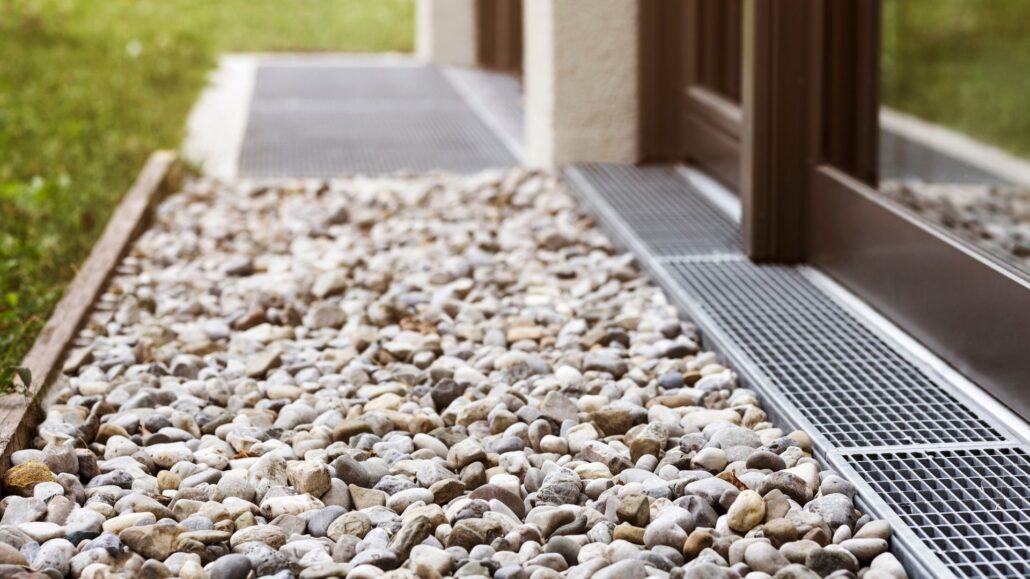
- Surface (spoon) drains: A shallow, dished channel (often a strip drain across a driveway or path) that catches sheet water and carries it to a pit. Used where water runs across a paved surface toward the house.
- Yard regrading: Reshaping the ground so it falls away from your house and toward a drain or the street. Poor fall (the ground sloping back toward the slab) is one of the most common causes of recurring pooling, and regrading fixes it at the source.
- Soakwells and rubble pits: An underground chamber (or rubble-filled pit) that holds stormwater and lets it soak slowly into the surrounding soil. Used where you can’t easily run a pipe to the street and the ground drains well enough to cope.
- Downpipe and pit repairs: Reconnecting or replacing cracked downpipe runs, collapsed pits, and broken underground pipes, often the real fix once a CCTV inspection shows a pipe has failed rather than simply blocked.
- Connecting to council stormwater: Where allowed, tying your system into the council stormwater network. This is permitted, regulated work and must be designed and connected by a licensed plumber to comply with council requirements.
Not sure which one your place needs? A quick CCTV inspection and a look at how water moves across your yard usually makes the right answer obvious, and we’ll talk you through the options before any digging starts.
Preventative Measures to Protect Your Stormwater System
Taking a few simple preventative measures can go a long way in keeping your stormwater system healthy and saving you from expensive repairs down the line.
- Schedule regular maintenance checks: Have a professional plumber do routine inspections to catch minor blockages or leaks before they become big problems.
- Be mindful of what you plant: Avoid planting trees or plants with invasive roots near stormwater pipes, as roots can easily cause blockages and structural damage.
- Install gutter guards: Gutter guards help stop leaves and debris from clogging up your roof gutters and drainage pits, reducing the risk of blockages.
- Check your drainage slope: During installations, make sure your drainage system has a proper slope to promote smooth water flow and prevent pooling or slow drainage.
Preventative maintenance is always cheaper and easier than dealing with major plumbing issues or property damage. Regular care can help you avoid flooding, reduce blockages, and keep your stormwater system working like a charm.
Stormwater Maintenance Schedule for Brisbane Homes
The simplest way to stay ahead of stormwater drainage issues is to put a few jobs on a calendar, built around Brisbane’s storm season, which runs roughly October to March. Clear your gutters, downpipes and pits before the storms arrive, not after the first flood. Use this as a guide:
| Task | How often | Why it matters |
|---|---|---|
| Clean gutters and downpipes | Each season, and right before storm season (Sep–Oct) | Choked gutters and downpipes are the No.1 cause of overflow in a downpour. |
| Clear surface pits and grates of silt and leaves | Monthly through autumn leaf-fall (and after heavy winds) | Stops silt building up in pits where most blockages begin. |
| Check the whole system after a major storm | After every big storm or flood event | Heavy rain shifts debris and can expose a developing blockage or damage early. |
| Professional CCTV inspection and drain jet | Every 2–3 years (sooner if you have big trees or older pipes) | Catches root intrusion, cracks and silt build-up deep in the line before they cause a backup. |
Stick to this and you’ll head off most stormwater dramas before the first big Brisbane downpour of the season. If a check turns up slow drainage, pooling or a pit that won’t clear, that’s the time to call us in.
Brisbane’s Trusted Solution for Blocked Stormwater Drains
If you suspect a stormwater drain leak or blockage, it’s important to act fast to avoid expensive damage. At The Brisbane Plumbers, we offer expert solutions designed specifically for local conditions, so you can trust us to get your stormwater drainage system back in top shape quickly and efficiently.
Our licensed plumbers know Brisbane’s unique stormwater infrastructure inside and out. Using advanced tools like CCTV inspections, hydro jetting, and pipe relining, we can pinpoint and resolve issues without unnecessary disruption. Whether it’s clearing a blocked drain or repairing a leak, we’re committed to providing quality service that stands the test of time.
Don’t let a small problem turn into a big headache. Get in touch with The Brisbane Plumbers today for dependable inspections, maintenance, and repairs. We’re here to keep your stormwater system working smoothly and protect your property, handled with the expertise and care you deserve.