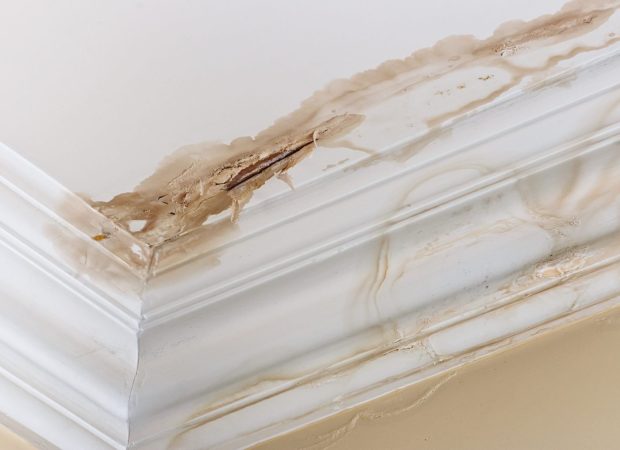
A small water stain on the ceiling. A faint musty smell in the hallway. A water bill that seems higher than usual. These subtle signs are easy to dismiss, but they often point to something more serious: a hidden water leak somewhere in your home.
Unlike a dripping tap or a visibly leaking pipe, concealed leaks can go undetected for weeks or even months. They hide behind walls, under floors, and within your hot water system’s pipework. By the time you notice visible damage, the leak may have already caused mould growth, timber rot, or structural issues that cost thousands to repair.
The key to protecting your Brisbane home is knowing what to look for and where to check. This guide will walk you through the warning signs of hidden leaks, how to track down their source, and when to call in a professional for help.
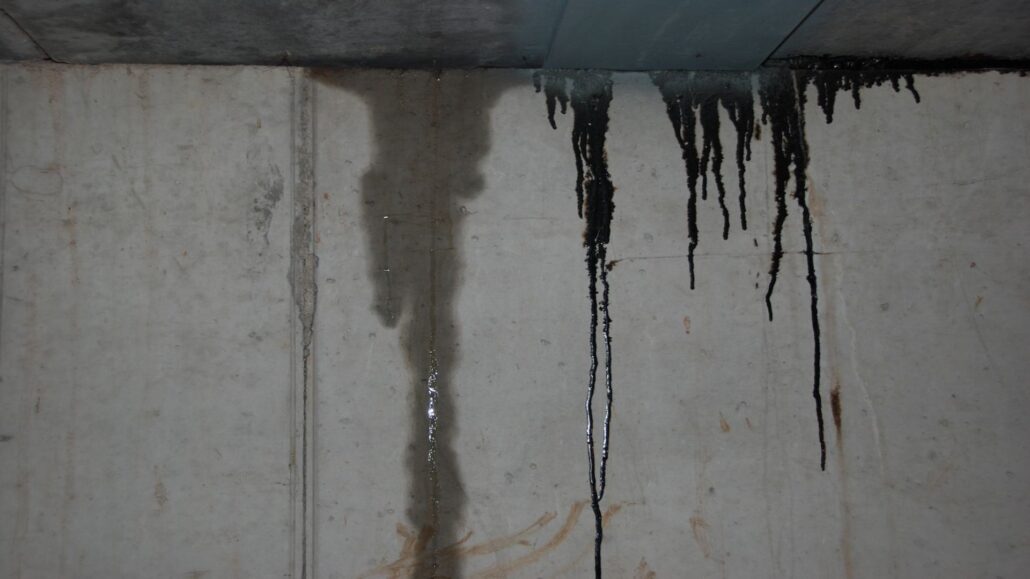
Table of Contents
- 1 Signs of a Hidden Leak
- 2 Increased water bills
- 3 Mould or moisture in strange places
- 4 Creaking pipes
- 5 Musty odours
- 6 Cracking walls or floors
- 7 Fluctuating water pressure
- 8 How to Find the Source of the Leak
- 9 Where Should You Check?
- 10 When a Hidden Leak Becomes an Emergency
- 11 Hot Water System Leaks: A Common Hidden Culprit
- 12 Don’t Let Leaks Hide From You Any Longer!
Signs of a Hidden Leak
Catching a hidden leak early often involves detecting subtle clues and changes. Be on the lookout for these common tip-offs that a concealed leak could be lurking:
Increased water bills
If your home’s water usage suddenly spikes without explanation, a hidden leak is likely to blame. Track your water bills over time and be suspicious of any unaccounted-for upticks.
Mould or moisture in strange places
Damp spots or mould forming on walls, ceilings, or floors far from plumbing fixtures may signal water travels and penetrates surfaces. Note any unusual moisture locations.
Creaking pipes
Listen for new creaking, knocking or hissing sounds from your plumbing, especially at night or when water is not in use. This can indicate water is moving within pipes or leaking.
Musty odours
Catch a whiff of something mouldy or earthy in odd spots? Hidden water leaks can create invisible moisture that produces distinct, musty smells. Follow your nose for clues.
Cracking walls or floors
Cracks, bulges or separating seams in walls, floors or foundations might be caused by water damage or soil erosion from a hidden leak. Monitor for any shifting.
Fluctuating water pressure
Erratic water pressure, including sudden drops when water is used, could mean a leak diminishes flow. Track pressure changes.
How to Find the Source of the Leak
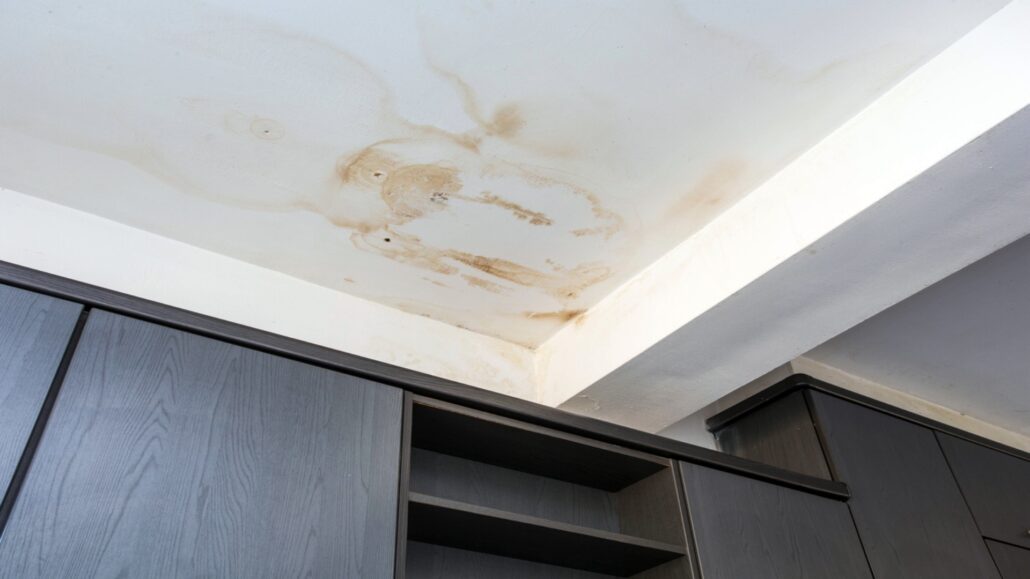
Locating hidden leaks in plumbing systems requires diligence and a systematic approach. Start by visually inspecting the entire home, looking for any moisture or water damage signs. Check areas near water lines, drains, appliances, fixtures, and the water heater for damp spots, leaking condensation, bubbling or discoloured paint/drywall, dark water stains on walls or ceilings, mould/mildew growth, and musty odours. These are all indicators of a potential leak.
Use a moisture meter to scan walls, floors, and ceilings to detect excess moisture. Moisture meters can find saturation under surfaces before visible signs appear. Listen carefully in various spots throughout the home to try and hear the sound of running water within walls. High-tech leak detection uses infrared cameras and other technology to reveal moisture behind surfaces.
To further isolate the origin, turn on specific water fixtures and pipes while checking connections for drips, vibration, or noise. Feel along the pipe length by hand to detect subtle vibrations signalling flow. Place dye tablets or food colouring in toilet tanks to check for coloured water in bowls, confirming a leak. Drain and refill hot water heaters completely to check if capacity is reduced over time, pointing to a leak. Monitor water meter flows before and after isolating valve sections to pinpoint the leaking pipe segment.
Persistence and meticulous inspection of the entire plumbing system is key to determining the exact source of elusive leaks. Hidden leaks can go undetected for long periods and cause extensive damage if not repaired quickly.
If you are unable to locate the source, contact a professional plumber for leak detection services. Advanced technology and experience can uncover even the most obscure leaks. Act fast once the source is found to stop the flow and prevent continued water damage and high usage costs.
Where Should You Check?
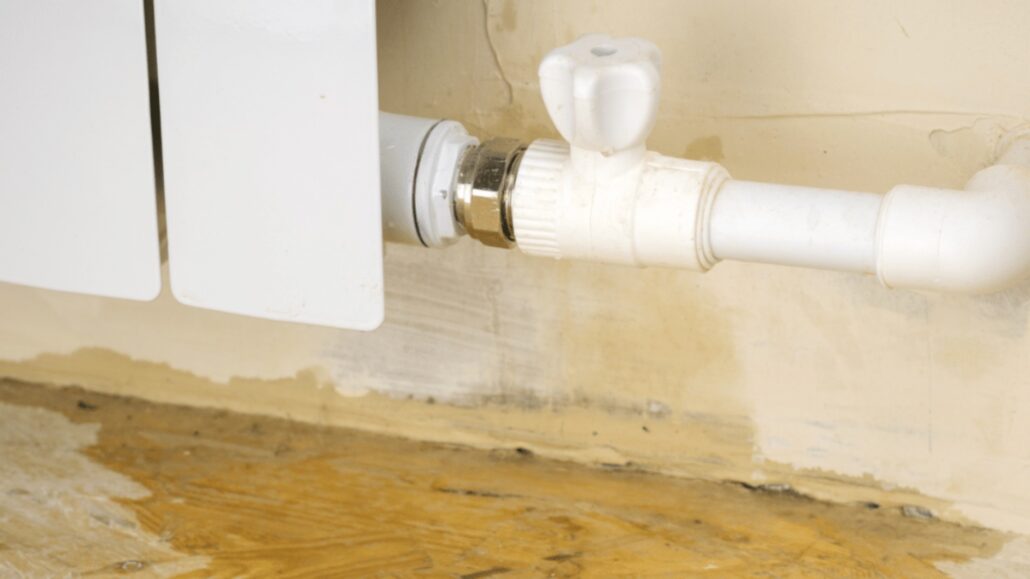
When hunting for concealed leaks, prioritise areas with water supply lines as they are prone to leakage over time. Carefully inspect the main water shutoff valve and all connectors near it. Check under sinks, showers, tubs, and your toilet cistern or toilet bowl, focusing on leaking pipe joints
The area around water heaters often harbours unseen drips, so scan ceilings and floors there. If you discover leaks in your hot water system, gas hot water systems repair brisbane professionals can assess and fix the issue before it causes major damage. Dishwashers can leak from worn hoses or seals, causing water to accumulate underneath.
Examine exterior hose bibs and any irrigation system plumbing for cracked caulking or moisture intrusion into the siding. Use a leakage inspection camera to peer behind walls near the shower and sink plumbing. Listen along baseboards and above-ceiling light fixtures for water running within walls.
An underground water leak is commonly referred to as a concealed leak. These typically occur in the pipes between your meter box and your home. They can be particularly hard to identify as these supply pipes run underground. We also recommend that you feel for any wet spots on the grass around the sprinkler lines and heads or any very green patches of garden or vegetation that could be growing quickly due to a water leak underground.
While leaks can originate almost anywhere, methodically inspecting moisture-prone spots near plumbing first is an effective water leak detection strategy. Contact a professional plumber if needed for a comprehensive inspection.
When a Hidden Leak Becomes an Emergency
Not all hidden leaks stay hidden forever. Sometimes what starts as a slow, undetected drip can escalate into a sudden flood. A corroded pipe inside your wall might hold for months before finally giving way. A failing joint under your slab could shift and rupture without warning.
If you notice rapidly spreading water stains, bulging walls, water pooling on floors, or a sudden dramatic drop in water pressure, you may be dealing with a water leak emergency. In these situations, turn off your main water supply immediately and call a licensed plumber.
Acting within the first hour of a major leak can mean the difference between a simple repair and extensive damage to your flooring, cabinetry, and walls. If you suspect a hidden leak has escalated, don’t wait to see how bad it gets.
Hot Water System Leaks: A Common Hidden Culprit
One of the most frequently overlooked sources of hidden water leaks in Brisbane homes is the hot water system itself. Hot water systems have multiple potential leak points, including the tank, pressure relief valve, inlet and outlet connections, and the extensive network of hot water pipes running throughout your home, often concealed within walls, ceilings, or underground.
Gas hot water systems in particular can develop leaks that go unnoticed for extended periods. Common leak locations include:
- Corroded tank bottoms: Over time, sediment buildup and corrosion can cause pinhole leaks or cracks in the tank base, often hidden from view.
- Faulty pressure relief valves: These safety valves can develop slow drips that travel down pipes and into walls or foundations.
- Deteriorated pipe connections: Hot water pipes expand and contract with temperature changes, causing joints to loosen or corrode over time.
- Underground hot water lines: Pipes running beneath concrete slabs or through garden beds can leak for months before signs appear.
If your leak detection efforts reveal that your hot water system is the source of the problem, whether it’s a leaking tank, corroded pipes, or faulty components, professional gas hot water systems repair brisbane services can assess the damage and determine whether repairs or replacement is the most cost-effective solution. Hot water system leaks shouldn’t be ignored, as they not only waste water and energy but can also cause extensive structural damage to your home if left unaddressed.
The Brisbane Plumbers specialise in both leak detection and hot water system repairs, providing comprehensive solutions that address both the immediate leak and any underlying system issues that may have caused it.
Don’t Let Leaks Hide From You Any Longer!
Uncovering concealed leaks before serious water damage occurs takes vigilance and preventative maintenance. Keep an eye out for subtle signs of hidden leaks and regularly inspect vulnerable areas. Implementing leak detection best practices and technologies can help you stay ahead of issues. But if your leak hunt comes up dry or repairs are beyond your skill level, contact the experts at The Brisbane Plumbers.
Our licensed and insured plumbers have advanced tools to locate leaks in walls, floors, and ceilings. We also offer complete repairs of damaged or leaking pipes and full-scale leak troubleshooting services using our cutting-edge water leak detector. Don’t wait for your next shocking water bill or the emergence of visible water stains.
Schedule a professional plumbing inspection with The Brisbane Plumbers today. Protect your home and peace of mind with our thorough leak detection and emergency repairs.