There’s nothing quite like stepping into a weak, trickling shower when you’re expecting a strong stream of hot water. Low hot water pressure is one of the most common plumbing complaints in Brisbane homes, and it can turn simple daily tasks like showering, washing dishes, and doing laundry into frustrating ordeals.
The good news is that many causes of low hot water pressure are straightforward to diagnose and fix. From clogged showerheads to sediment build-up in your hot water system, there are several things you can check yourself before calling a plumber. In other cases, the issue may point to something more serious, like corroded pipes or a failing hot water unit.
This guide walks you through the most common causes of low hot water pressure, how to troubleshoot them step by step, and when it’s time to bring in a professional.
Table of Contents
- 1 Identifying the Causes
- 2 Clogged Aerators or Showerheads
- 3 Sediment Buildup in Hot Water Pipes
- 4 Corroded or Partially Closed Shut-off Valves
- 5 Faulty Hot Water Heater
- 6 Inadequate Water Supply from the Main Line
- 7 Leaks in the Hot Water Supply Lines
- 8 Step-by-Step Troubleshooting
- 9 Cleaning Aerators and Showerheads
- 10 Inspecting and Replacing Shut-off Valves
- 11 Flushing the Hot Water Heater
- 12 Checking for Leaks
- 13 Inspecting the Pressure Regulator
- 14 Upgrading or Replacing the Hot Water Unit
- 15 When Low Pressure Signals a Bigger Problem
- 16 When Do You Need To Call Your Plumber?
- 17 Don’t Let Low Hot Water Pressure Dampen Your Daily Routine
Identifying the Causes
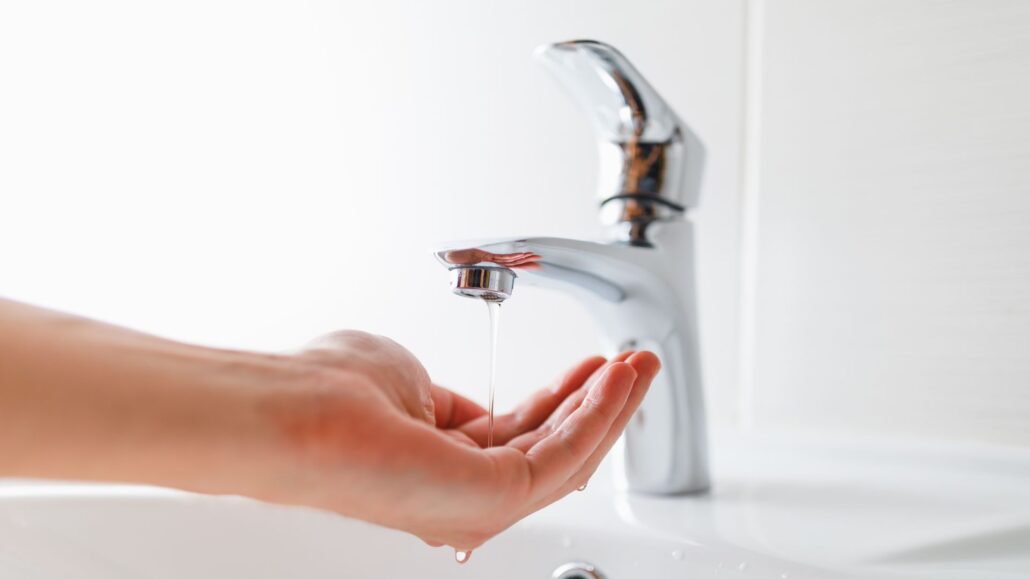
Low hot water pressure can stem from various sources, both within the home and outside. Understanding the common causes is crucial to addressing the issue effectively.
Clogged Aerators or Showerheads
Over time, mineral deposits and sediment can accumulate in aerators and showerheads, restricting the flow of hot water. This build-up can significantly reduce water pressure, making it difficult to enjoy a satisfying shower or properly rinse dishes.
Sediment Buildup in Hot Water Pipes
Sediment and mineral deposits can also accumulate inside the hot water pipes, narrowing their internal diameter and hampering water flow. This issue is more prevalent in older homes with galvanised steel pipes, where corrosion and scaling can occur over time.
Corroded or Partially Closed Shut-off Valves
Shut-off valves that control the hot water supply may become corroded or partially closed, limiting the water flow. These valves are typically located near the hot water heater or at various points throughout the plumbing system. A stuck or faulty valve can cause low hot water pressure throughout the entire house.
Faulty Hot Water Heater
A malfunctioning hot water heater can contribute to low hot water pressure. Issues such as a faulty pressure relief valve, sediment build-up in the hot water tank, or a failing heating element can reduce the water heater’s efficiency and pressure output.
Inadequate Water Supply from the Main Line
If the main water supply lines feeding your home have low pressure, it can affect the entire hot water system, reducing pressure throughout the house. This could be due to issues with the municipal water supply or problems with the water service line.
Leaks in the Hot Water Supply Lines
Leaks in the hot water pipes or fittings can cause pressure loss as water escapes from the system before reaching the fixtures. Even minor leaks can significantly impact the overall hot water pressure, leading to a weak flow at showerheads and faucets.
Step-by-Step Troubleshooting
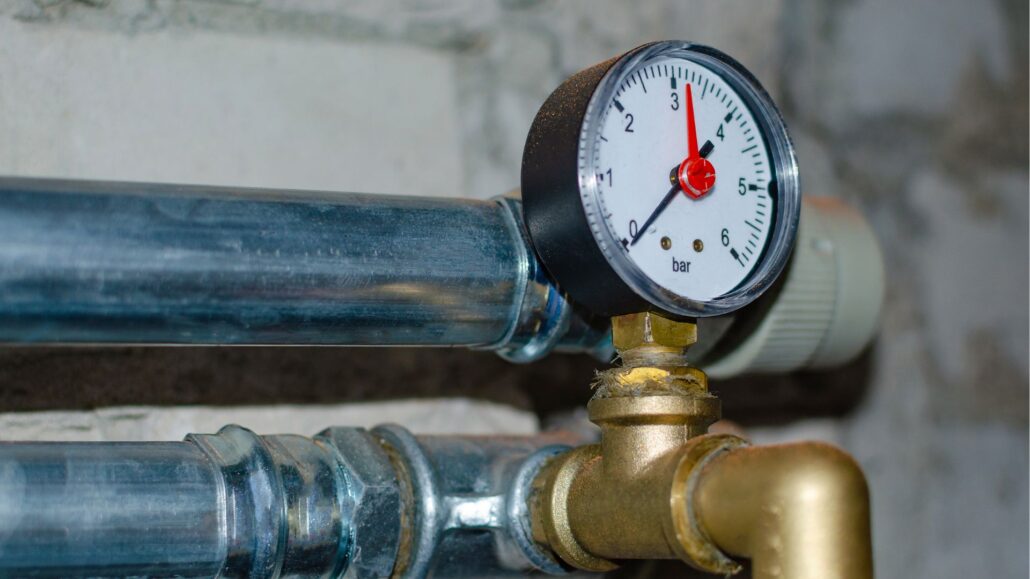
Resolving low hot water pressure issues often requires a systematic approach. Start by addressing the simplest solutions before moving on to more complex tasks.
Cleaning Aerators and Showerheads
Clogged aerators and showerheads commonly cause low water pressure in the hot water system. Remove and soak them in a vinegar solution to dissolve any mineral build-up. Use an old toothbrush to scrub away any remaining debris gently. This simple step can restore normal hot water pressure throughout the home.
Inspecting and Replacing Shut-off Valves
Locate the shut-off valves for the hot water supply, typically near the hot water heater or at various points throughout the hot water lines. Check for corrosion, mineral deposits, or partial closure restricting water flow. If necessary, replace the faulty valves with new ones to restore proper hot water pressure.
Flushing the Hot Water Heater
Sediment build-up in the hot water tank can significantly reduce water pressure in the hot water system. Flushing the water heater regularly can help remove this sediment build-up. Follow the manufacturer’s instructions for the proper flushing procedure, which typically involves draining the hot water tank and allowing fresh water to flow through.
Checking for Leaks
Leaks in the hot water pipes or fittings can cause a significant drop in hot water pressure. Inspect visible hot water lines for any signs of moisture or drips, and use a water meter to detect hidden leaks in the hot water supply lines. Address water leaks promptly to prevent further pressure loss and potential water damage.
Inspecting the Pressure Regulator
Some homes have a pressure regulator installed to control the water pressure from the main water supply lines. If this pressure regulator is faulty or broken, it can lead to low water pressure in both the hot and cold water systems. Inspect the pressure regulator and replace it if necessary.
Upgrading or Replacing the Hot Water Unit
If the hot water heater is old or has sustained significant wear and tear, consider upgrading or replacing the entire hot water unit. An ageing water heater can struggle to maintain adequate hot water pressure, even after flushing and maintenance. Consult a professional plumber to assess the condition of your hot water system and explore replacement options.
In some cases, low hot water pressure may be caused by issues beyond your control, such as problems with the municipal water supply, blocked pipes in the main water supply lines, or issues with the cold water supply lines feeding your home. If you have exhausted all troubleshooting steps and the problem persists, it is recommended to seek professional assistance from a licensed plumber to diagnose and resolve the underlying issue.
When Low Pressure Signals a Bigger Problem
Sometimes low hot water pressure isn’t just an inconvenience. It can be an early warning sign of a more serious issue hiding in your plumbing system. A sudden and significant drop in pressure, especially when combined with damp patches on walls, unexplained spikes in your water bill, or the sound of running water when nothing is turned on, could indicate a leak in your hot water lines.
Leaks in hot water pipes often go undetected because the pipes run behind walls, under floors, or underground. Left unchecked, these leaks can cause extensive water damage, mould growth, and structural issues. If you suspect a hidden leak is causing your pressure problems, treat it as a water leak emergency and contact a licenced plumber immediately.
Addressing the issue early can save you from costly repairs and protect your home from serious damage.
When Do You Need To Call Your Plumber?
While many low hot water pressure issues can be resolved through DIY troubleshooting, some scenarios may require the expertise of a licensed and experienced plumber. Professional assistance is recommended in the following cases:
- Persistent low hot water pressure despite trying all the troubleshooting steps, such as cleaning aerators and showerheads, checking for leaks, flushing the hot water tank, and inspecting valves. A plumber has the knowledge and tools to diagnose and address more complex underlying causes.
- Suspected main line or municipal water supply issues causing low pressure in both the hot and cold water systems. A plumber can inspect the main water supply line feeding your home and coordinate with the appropriate authorities to resolve any issues with the municipal water supply.
- Complex plumbing systems or installations are often found in older homes or properties with intricate plumbing configurations. Experienced plumbers are familiar with various plumbing setups and can navigate complex installations to pinpoint and solve problems effectively.
Working with experienced and reputable plumbers offers several benefits. They have the expertise to accurately diagnose the root cause of low hot water pressure, which may not be immediately apparent to homeowners. With the right tools and techniques, plumbers can perform repairs efficiently, minimising disruptions to your daily routine.
They can also recommend and implement long-lasting solutions tailored to your specific plumbing system, ensuring optimal hot water pressure for years to come. Additionally, attempting complex plumbing repairs without proper knowledge and experience can lead to safety hazards, while professionals ensure that all work is carried out safely and up to code.
Enlisting the help of a licensed and reputable plumber provides peace of mind. You can be sure that your low hot water pressure issue will be properly diagnosed and resolved, restoring the comfortable and efficient operation of your hot water system.
Don’t Let Low Hot Water Pressure Dampen Your Daily Routine
Embrace the practical steps outlined in this guide to address clogged aerators, sediment build-up, faulty shut-off valves, and leaks. Flush your hot water tank regularly to maintain optimal flow. If the issue persists or you suspect main line problems, enlist the expertise of professionals like The Brisbane Plumbers.
Their licensed plumbers can accurately diagnose the root cause: a broken pressure regulator, an ageing hot water system, or municipal water supply concerns. With their efficient repairs and tailored solutions, you’ll soon enjoy a steaming hot shower and hassle-free water pressure throughout your home. Trust The Brisbane Plumbers by contacting us to restore your hot water system’s normal pressure, providing a comfortable and convenient experience.