How much are blocked drains costing Australians every year? You might be surprised to learn that clogged drains are not only inconvenient but also carry a hefty financial burden for homeowners across the country. Left unchecked, even minor blockages can escalate into severe plumbing issues, resulting in expensive repairs and, in some cases, property damage. The hidden cost of clogged drains isn’t just about the immediate inconvenience—it’s about the significant financial risk that many overlook.
Addressing drain issues promptly is not just a matter of comfort; it’s a matter of protecting your home and your wallet. But how do you tackle these problems effectively without breaking the bank? The key lies in choosing the right tools for the job.
In this guide, we’ll explore the most effective tools for drain cleaning, empowering you to manage blockages before they become costly disasters.
Table of Contents
- 1 Choosing the Right Drain Cleaning Tools for Different Drain Types
- 2 Kitchen, Bathroom, and Outdoor Drains
- 3 Specialised Tools for Drain Cleaning
- 4 Tools for Tackling Different Types of Blockages
- 5 Common Tools for Unclogging Drains
- 6 Chemical Cleaners and Home Remedies
- 7 Outdoor Drain Blockages
- 8 Selecting the Best Tools for Your Drain Problems
- 9 Hand Crank and Motorised Tools
- 10 CCTV Cameras and No Dig Pipe Relining
- 11 Avoiding Chemical Damage to Pipes
- 12 Essential Manual Tools for Drain Cleaning
- 13 Plungers and Drain Snakes
- 14 Advanced Mechanical Tools for Drain Cleaning
- 15 Motorised Drain Augers and Water Jetters
- 16 Chemical Drain Cleaners: Pros and Cons
- 17 Preventing Future Blockages: Tools and Techniques
- 18 Knowing When to Call in the Experts
- 19 Leave Your Drains to the Experts
Choosing the Right Drain Cleaning Tools for Different Drain Types
Kitchen, Bathroom, and Outdoor Drains
In homes and businesses, there are various types of drains, including kitchen sinks, bathroom drains, and outdoor drains. Each type of drain can develop specific blockages, making it essential to use the appropriate tool to unclog drains effectively.
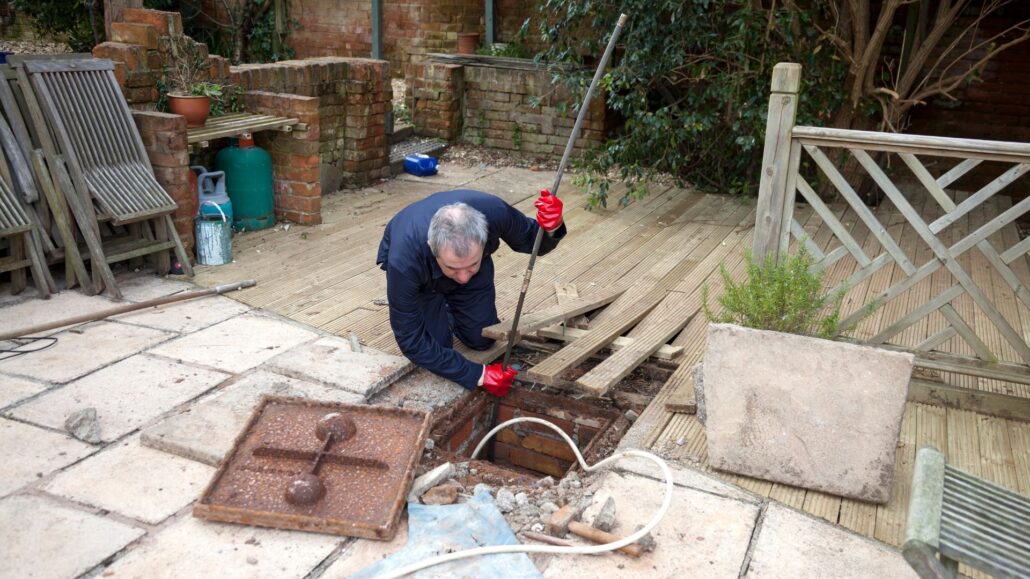
A clogged drain in the kitchen, for instance, often results from grease or food particles clogging the drain pipes, while bathroom drains are more likely to be blocked by hair and soap scum. Outdoor drains can also become clogged up with leaves or even tree roots invading the sewer lines.
Specialised Tools for Drain Cleaning
For successful drain cleaning, it’s crucial to use specialised tools. A drain snake or plumber’s drain snake is a great drain cleaning tool for removing drain gunk and stubborn blockages.
Professional plumbers often use CCTV drain cameras to inspect the plumbing system and locate the blockage before recommending the right drain unblocking tools. For severe clogs, hydro jets or high-pressure water jets may be used to clear blockages without causing pipe damage.
Tools for Tackling Different Types of Blockages
Common Tools for Unclogging Drains
To unclog drains effectively, you need the best tool for the job. A wire coil auger, also known as a closet auger, is ideal for dealing with blocked toilets, while a cup plunger is best for creating a strong seal on flat surfaces like sinks or bathtubs.
For more stubborn blockages, a motorised auger or electric motor drain snake can be highly effective.
Chemical Cleaners and Home Remedies
Chemical drain cleaners are available at any hardware store and can be used for quick solutions, but they often contain harsh chemicals that can damage pipes. A home brew of baking soda, hot water, and white vinegar can be a safer alternative for minor clogs.
When using these methods, it is important to wear rubber gloves and ensure a good seal with the cup plunger.
Outdoor Drain Blockages
Outdoor drains clogged with debris or tree roots require heavier drain cleaning tools. A garden hose combined with a drain cleaning tool can help dislodge blockages, but in more severe cases, professional plumbers might recommend no dig pipe relining to repair damaged pipes using custom epoxy moulds.
Selecting the Best Tools for Your Drain Problems
Hand Crank and Motorised Tools
Whether dealing with clogged drain pipes or blocked sewer lines, choosing the right drain cleaning tools is essential.
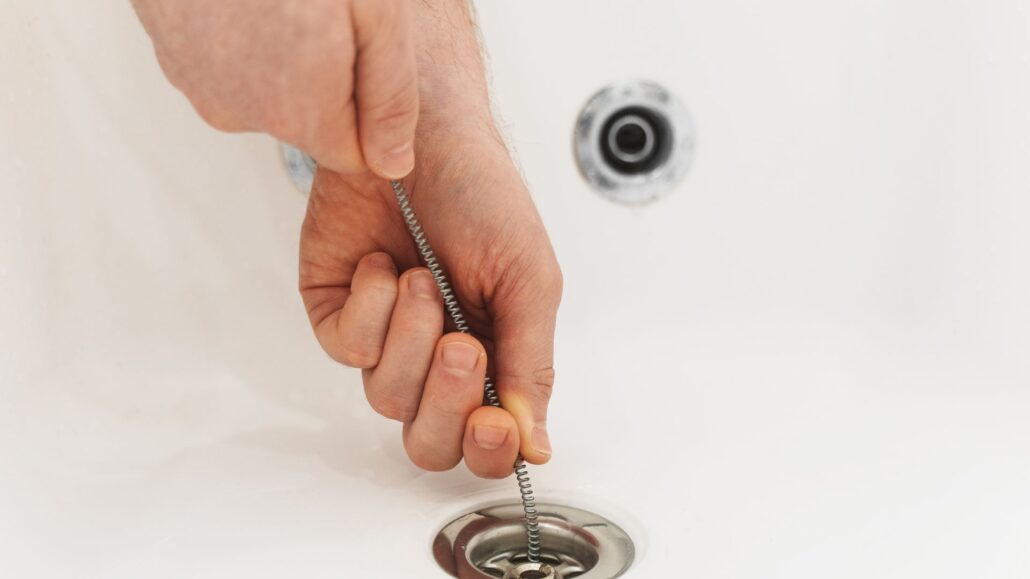
Hand crank drain snakes are ideal for minor clogs, while a powerful motorised auger or a hydro jet is more suitable for severe blockages. A closet auger is often the best tool for toilet blockages, while a plumber’s drain snake can effectively handle deeper drain opening tasks.
CCTV Cameras and No Dig Pipe Relining
Pipe cameras and CCTV drain cameras allow professional plumbers to identify problems in the plumbing system, including stubborn blockages and pipe damage. In cases of damage, as mentioned, no dig pipe relining can be an effective way to restore pipes without excavation.
The best plumbers use specialised tools, including heavy duty drain unblocking tools and high pressure water jets, to clear blockages and avoid pipe damage.
Avoiding Chemical Damage to Pipes
When dealing with plumbing problems, it’s important to avoid relying solely on chemical cleaners, as they can damage pipes over time. Instead, using the appropriate tool, whether it’s a motorised auger, hydro jet, or hand crank drain snake, will help keep your drains flowing freely.
Remember, having the right drain cleaning tool for the job can save you time, elbow grease, and the potential cost of pipe repairs.
Essential Manual Tools for Drain Cleaning
Plungers and Drain Snakes
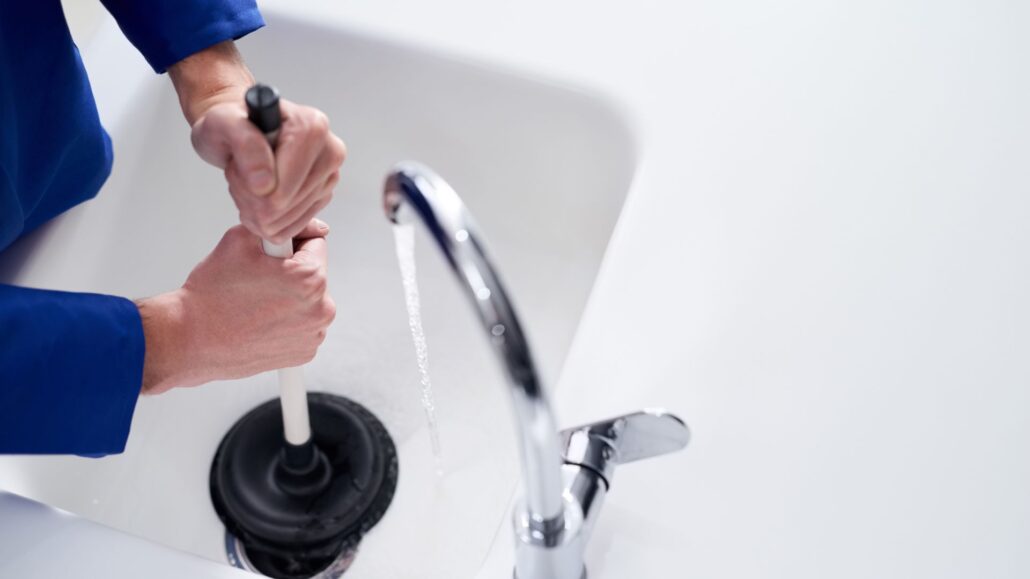
Manual tools like plungers and drain snakes are fundamental for effective drain cleaning. A cup plunger works by creating a perfect seal over the drain opening, allowing you to build enough pressure to dislodge minor clogs. For a plunger to work effectively, it’s important to ensure a strong seal and use hot water to help break down any grease or gunk.
Drain snakes, also known as plumber’s drain snakes, are ideal for reaching deeper blockages in drain pipes. These tools consist of a long, flexible wire that is inserted into the drain and manually turned using a hand crank or electric motor.
A professional plumber often recommends using a drain snake for minor blockages, as it’s less likely to damage the pipes compared to chemical drain cleaners. When selecting a drain snake, opt for a heavy-duty model that can handle stubborn clogs, and consider one with a powerful motor for added effectiveness.
Safety is key when using manual drain cleaning tools. Always wear rubber gloves to protect your hands, and avoid forcing the tool into the pipe to prevent causing damage. A quality manual drain cleaning tool, combined with a bit of elbow grease, can often be the best solution for unclogging drains without the use of harsh chemicals.
Advanced Mechanical Tools for Drain Cleaning
Motorised Drain Augers and Water Jetters
Advanced mechanical tools like motorised drain augers and water jetters are designed to tackle tougher blockages that manual tools cannot handle. A motorised drain auger, equipped with a powerful motor, can break through severe clogs deep within the plumbing system, making it highly effective for stubborn blockages.
Water jetters, or high-pressure water jets, use powerful streams of water to clear blockages and clean the insides of drain pipes, effectively removing grease, debris, and even tree roots.
These tools are ideal for severe clogs or when traditional methods fail to unclog drains. However, it’s important to note that using these tools incorrectly can lead to pipe damage.
A professional plumber should be consulted if you’re unsure about using advanced mechanical tools, as improper use can result in costly repairs. Always follow safety guidelines and use the right tool for the job to avoid damaging your plumbing system.
Chemical Drain Cleaners: Pros and Cons
Chemical drain cleaners can be effective in dissolving certain types of blockages, such as grease, hair, and soap scum. They work by using harsh chemicals to break down the blockage, which can provide a quick and easy solution for minor clogs.
However, chemical drain cleaners come with environmental and health considerations. The chemicals used can be harmful if they come into contact with skin or if fumes are inhaled.
Additionally, frequent use of these cleaners can lead to pipe damage over time. It’s best to use chemical drain cleaners sparingly and only for minor clogs. For more severe or recurring issues, it’s advisable to seek help from a professional plumber.
Preventing Future Blockages: Tools and Techniques
Chemical drain cleaners can be effective in dissolving certain types of blockages, such as grease, hair, and soap scum. They work by using harsh chemicals to break down the blockage, which can provide a quick and easy solution for minor clogs.
However, chemical drain cleaners come with environmental and health considerations. The chemicals used can be harmful if they come into contact with skin or if fumes are inhaled.
Additionally, frequent use of these cleaners can lead to pipe damage over time. It’s best to use chemical drain cleaners sparingly and only for minor clogs. For more severe or recurring issues, it’s advisable to seek help from a professional plumber.
Knowing When to Call in the Experts
Certain situations call for professional intervention. If your drains are repeatedly getting blocked, or if you notice slow drainage, foul smells, or multiple clogs throughout your plumbing system, it’s time to call a professional.
Professional plumbers have the expertise and equipment necessary to diagnose and resolve complex issues, ensuring the health and longevity of your plumbing system.
Leave Your Drains to the Experts
When it comes to blocked drains, leaving the work to experts can save you time, stress, and money. The Brisbane Plumbers offer professional blocked drains services that are efficient and reliable. Our team of skilled plumbers uses specialised tools, such as CCTV drain cameras and hydro jets, to accurately diagnose and fix any drainage problem.
Using expert services ensures that the job is done right the first time, giving you peace of mind and preventing further issues. Whether you’re dealing with a minor blockage or a major plumbing problem, we have the tools and expertise to handle it all.
For professional assistance, contact The Brisbane Plumbers for our expert Blocked Drains services. Let us handle your drain challenges with skill and efficiency.