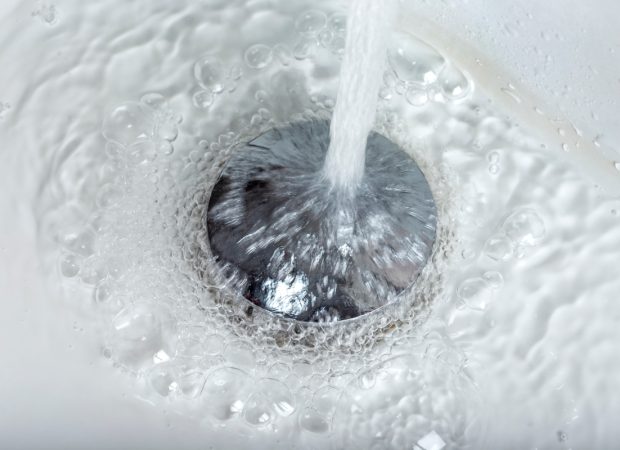
You turn on the tap and instead of crystal-clear water, you’re met with a cloudy, milky stream. It’s an unsettling sight, and it’s natural to wonder whether the water is safe to drink or if something is wrong with your plumbing.
The good news is that cloudy tap water is usually harmless. In most cases, tiny air bubbles are the culprit, and the water clears up within seconds. However, cloudiness can sometimes point to more serious issues like high mineral content, sediment in your pipes, or even methane contamination in rare cases.
Understanding what’s causing your water to look murky is the first step to fixing it. Here are the four most common reasons for cloudy tap water in Brisbane homes and what you can do about each one.
Common Causes:
1 – Bubbles of Air
The biggest reason for cloudy water is tiny air bubbles. After repair works, air pockets become trapped in pipes. The air makes the water cloudy when you turn the tap on. To fix the problem, if it doesn’t pass on its own, run the garden tap for a few minutes. Otherwise, you may need to contact some Brisbane plumbers to flush the water main or install an air elimination valve. To be sure it is air in your water supply, get a glass, fill it with water, and let it sit for a few moments. If the water becomes clear, it’s most likely harmless air bubbles.
2 – High mineral content
High mineral content, a.k.a hard water, is water with large amounts of ions, such as calcium, magnesium and iron. Hard water causes scale build-up on plumbing fixtures. Calcium carbonate should not exceed 200 mg/L to minimise scale build-up and avoid making the tap water cloudy.
There are several ways to tell if your water is cloudy due to water hardness: mineral build-up on plumbing fixtures, white marks on washed glass dishware, stiff clothing after washing, or the water remains cloudy when left in a glass. The good news is that most drinking water on the east coast of Australia is soft water.
Nonetheless, if you are experiencing hard water causing cloudiness and mineral build-up, you’ll probably want it fixed. The best way to fix it is to install a filtration system or buy a water softener. Contact a licensed Brisbane plumber and ask for a whole-home reverse-osmosis filtration system. The filters remove minerals, prevent cloudiness, and remove harmful chemicals and bacteria.
3 – Total suspended solids (TSS)
High concentrations of nutrients, bacteria, pesticides, or metals in the water and high TSS can also cause tap water to appear cloudy. TSS are small solids floating in the water rather than sinking to the bottom. There are several types of solids: clay, iron, sediment, algae, etc. There is no guidance for what level of TSS is safe, but it can lead to the growth of bacteria.
You can check if TSS makes your water cloudy by running it through a standard filter. If it becomes clear after filtration, it is likely TSS. It is also probably TSS if construction or disturbances near your local water supply have recently occurred. A standard filter cartridge is usually enough to get rid of TSS. However, if the water is excessively cloudy, it may require multi-level media filtration. Either way, contact your local Brisbane plumber for help.
4 – Methane gas
Although probably less likely in Brisbane, methane is often found in healthy water. While rarer, it is also one of the more dangerous types of cloudy drinking water. If you have methane in your water, get it tested by a professional ASAP! Also, while awaiting professional help, ensure you properly ventilate the area when running a dishwasher or washing machine. Once again, a few signs indicate you have methane: white air bubbles in the water, you use well water, or the water sputters when running. Again, to solve this problem, get a professional to test the methane levels and follow their advice.
When Cloudy Water Could Indicate a Plumbing Issue
While most causes of cloudy tap water are harmless, persistent cloudiness combined with other warning signs could point to a problem in your plumbing system. If you notice discoloured water alongside a sudden drop in water pressure, damp patches on walls or ceilings, or an unexplained increase in your water bill, there may be a leak or pipe damage somewhere in your home.
Sediment and debris can enter your water supply through cracked or corroded pipes, especially in older Brisbane homes. In some cases, a breach in your water main or supply line can introduce contaminants and cause ongoing cloudiness that won’t clear up on its own.
If your cloudy water persists after trying basic troubleshooting and you suspect a leak or pipe damage, treat it as a water leak emergency and contact a licenced plumber to inspect your system.
Conclusion
Fixing a leaky faucet is a simple task that can save you money on your water bill and prevent water waste. By following the five easy steps outlined in this tutorial, you can fix a leaky faucet in no time. Always turn off the water supply before working on a faucet, and take the old replacement parts to the hardware store to ensure that you get the fitting replacement kit. The Brisbane Plumbers are always here to help if you need additional assistance.
Are you experiencing cloudy water?
If you have cloudy water, are unsure what to do, or need a plumber to help, contact The Brisbane Plumber. We can help you with all your plumbing needs: cloudy water, hot water, emergency plumbing, drainage, etc. Our friendly team is on call 24 hours daily, every day of the year. For all your general and emergency plumbing needs, call The Brisbane Plumber on 1300 847 08