Does every bathroom need a plumbing vent? Yes — and in Australia, it’s the law. AS/NZS 3500.2 requires every toilet, basin, shower, and bath to be properly vented so wastewater drains away cleanly and sewer gases stay out of your home.
Does every toilet need a vent pipe? Yes. When you flush, a large volume of water rushes through the pipes quickly. Without a vent to equalise air pressure, that rush creates a vacuum strong enough to siphon the water seal from every trap in the bathroom — letting sewer gases in. A toilet vent pipe stops that from happening.
Have you ever stepped out of a refreshing shower only to be met with sluggish drainage or gurgling noises from the pipes? These issues are frustrating and disrupt the smooth functioning of your bathroom plumbing system. The culprit is often the plumbing vent.
Plumbing vents are essential to your home’s drainage system, although they often go unnoticed. These pipes ensure proper airflow and prevent negative pressure building up, which can lead to slow drainage, odours, and clogged drains.
Even a simple task like flushing the toilet can become a problem without adequate venting. In extreme cases, a lack of proper venting can siphon water out of the traps, allowing sewer gases to enter your home.
While plumbing vents may seem minor, they are essential for a healthy and functional bathroom plumbing system. By allowing air to enter the pipes, vents prevent a vacuum from forming, which can impede water flow and cause drainage issues.
If you’re experiencing persistent drainage problems or unpleasant odours in your bathroom, it may be time to have a professional plumber inspect your plumbing vents. Addressing any issues with the venting system can restore proper drainage, eliminate odours, and keep your bathroom working smoothly and efficiently.
Table of Contents
- 1 What is a Plumbing Vent, and How Does it Work?
- 2 Types of plumbing vents
- 3 Why are Plumbing Vents Important in Bathrooms?
- 4 Smooth drainage and clog prevention
- 5 Maintaining the P-trap seal
- 6 Efficient toilet flushing
- 7 Safeguarding your health
- 8 Plumbing vent sizing and code requirements (AS/NZS 3500.2)
- 9 Signs You Might Have a Vent Problem
- 10 What to Do if You Suspect a Vent Problem
- 11 The Importance of Proper Venting During Bathroom Renovations
- 12 Keep Your Bathroom Vents Working and Odour-Free
What is a Plumbing Vent, and How Does it Work?

Your bathroom sink drain works a bit like a straw. When you suck a drink through a straw, air pressure at the top lets the liquid flow. Block the top, and it becomes nearly impossible to draw any liquid in. Plumbing vents work on a similar principle.
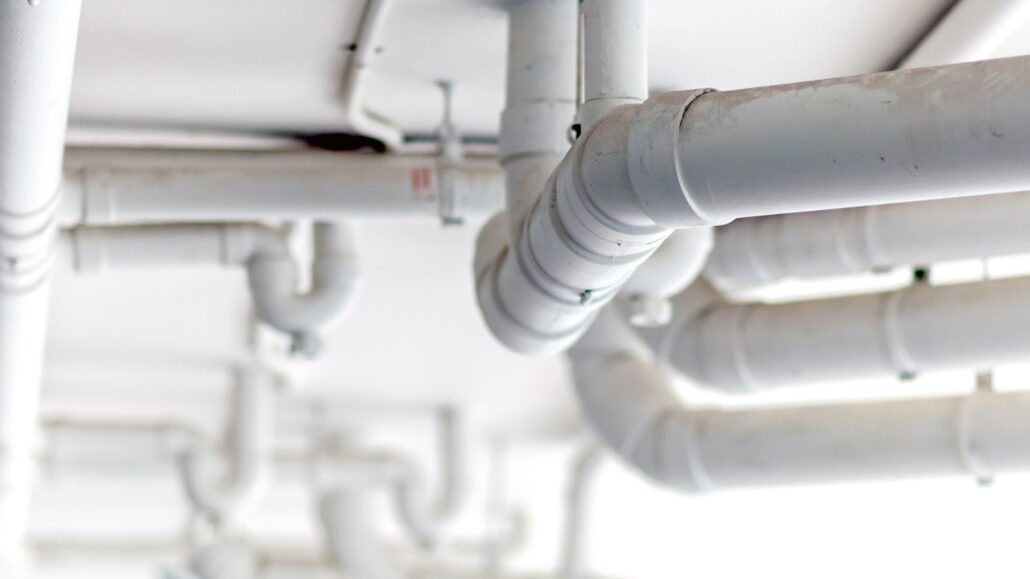
Usually hidden within walls and running up to the roof, these pipes are the quiet workhorses of your bathroom’s drainage system. They don’t carry water, but they regulate air pressure within the drainage pipes.
Think of your drainpipes as a series of connected tubes. As water flows down these pipes, air must enter the system at specific points to prevent a vacuum from forming. That vacuum would hinder water flow, leading to slow drainage or even a complete blockage.
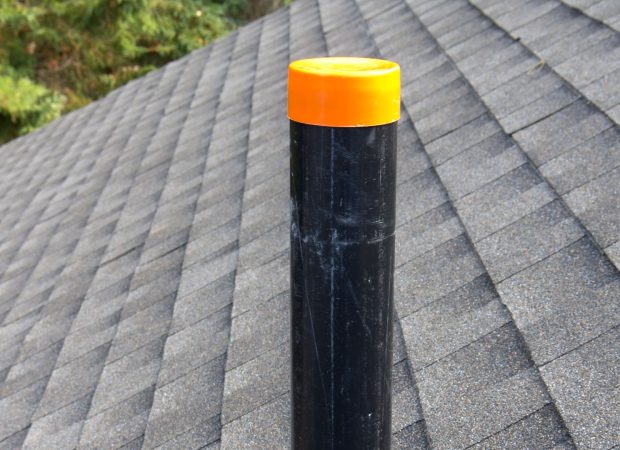
Plumbing vents act as openings that keep air pressure balanced within the pipes. They’re usually located on the roof or connected to a vent stack that runs throughout the house. These vents let fresh air in and prevent the pressure imbalances that could disrupt water flow.
Types of plumbing vents
Not every bathroom is vented the same way. Under AS/NZS 3500.2 (the Australian standard for sanitary plumbing and drainage), a licensed plumber chooses a venting method to suit your home’s layout. The three you’re most likely to come across are:
| Vent type | How it works | Where it’s used | Good to know |
|---|---|---|---|
| True (open) vent (vent stack / stack vent) | A dedicated pipe open to the atmosphere that runs up through the roof, relieving both negative and positive pressure. | The standard, most reliable method, especially for toilets and main stacks. | Must terminate above the roof and clear of windows. It is the gold standard for odour and siphonage control. |
| Wet vent | A section of drain pipe is sized large enough to double as both a drain and a vent for nearby fixtures. | Common for grouped bathroom fixtures (basin, bath, shower close together). | Permitted within the fixture-unit and length limits set by AS/NZS 3500.2, so sizing has to be right. |
| Circuit vent (loop vent) | A single vent pipe serves a horizontal run of fixtures, looping back from near the end of the fixture group up to the main vent stack. | Back-to-back bathrooms or a row of fixtures (e.g. multiple basins) sharing a common drain run. | Less common in residential builds but required where wet venting does not cover the fixture count or run length permitted under AS/NZS 3500.2. |
| Air admittance valve (AAV) (“Studor” valve) | A one-way mechanical valve that lets air in to break a vacuum but seals shut to stop gases escaping. | Renovations, island benches or layouts where running a pipe to the roof isn’t practical. | Allowed in specific situations only, and must stay accessible and correctly rated. Because it can’t relieve positive pressure, the system still needs at least one open vent to the atmosphere. |
Why are Plumbing Vents Important in Bathrooms?
Do you dread the slow gurgle of your sink after use, or the frustration of a sluggish shower drain? These hidden pipes are crucial for a healthy and functional bathroom.
Smooth drainage and clog prevention
Firstly, proper venting prevents slow drainage and clogged drains. Remember the analogy of the drainpipe as a series of connected tubes? Vents allow air to enter the system, preventing a vacuum from forming.
This vacuum effect hinders water flow, leading to sluggish drainage and a higher risk of blockages in bathtubs, showers, and sinks. Without proper venting, an efficient bathroom can quickly turn into a daily frustration.
Maintaining the P-trap seal
Secondly, vents help maintain the water seal in P-traps. These U-shaped bends in your plumbing system hold a small amount of water, creating a barrier that prevents sewer gases from entering your bathroom.
However, if a vacuum forms in the drainpipe through a lack of venting, it can suck the water out of the P-trap and break the seal. This allows unpleasant and potentially harmful sewer gases to seep into your bathroom, creating an unwelcome odour and a possible health risk.
Efficient toilet flushing
Finally, adequate venting helps toilets flush efficiently. When you flush, a large volume of water needs to move quickly through the pipes. Without proper venting, pressure imbalances can occur, hindering the water flow and leading to weak flushes. In severe cases, a lack of venting can even make the toilet bowl bubble or gurgle after a flush. Proper venting keeps your toilet working smoothly and efficiently.
Safeguarding your health
Sewer gases can contain harmful bacteria and other contaminants, posing potential health risks. Proper venting safeguards your bathroom by preventing these gases from entering your home.
Plumbing vent sizing and code requirements (AS/NZS 3500.2)
In Queensland, sanitary plumbing and drainage, including venting, must comply with AS/NZS 3500.2 and be carried out by a licensed plumber. It’s technical work, but here are the specifications that matter most for a typical bathroom:
- Vent pipe sizing: branch and fixture vents are commonly DN 40–DN 50 (40–50 mm), with the main stack vent sized up from there based on the number of fixture units it serves.
- Trap-to-vent distance: each fixture trap must sit within the maximum unvented length allowed for its pipe size and grade. Exceed it and the trap can self-siphon, which is why basin and bath traps can’t be an unlimited distance from a vent.
- Drain grade (fall): branch drains are typically laid at a fall of 1:40 to 1:60 (about 1.65–2.5%) so they self-clear without draining the traps.
- Vent termination: open vents must terminate above the roof, be flashed and weatherproofed, and sit a set distance clear of any openable window or air intake so odours don’t re-enter the home.
- Air admittance valves: where used, an AAV must be the correct size and rating, stay accessible, and be installed above the fixture’s flood level. The system must still have at least one open vent to the atmosphere.
Getting this sizing right is exactly why bathroom venting is licensed work rather than a DIY job. The numbers change with every layout.
Signs You Might Have a Vent Problem
A properly working plumbing vent runs silently in the background. A vent problem, though, can cause some unpleasant issues in your bathroom. Here are some common signs to watch out for:
- Gurgling sounds: Does your sink or shower gurgle after use? This can indicate trapped air struggling to escape through a blocked or damaged vent.
- Slow drainage: Is your bathtub, shower, or sink draining slowly? A lack of proper venting can create a vacuum effect, hindering water flow and leading to sluggish drainage.
- Unpleasant odours: A foul odour wafting from your drains can indicate that sewer gases are escaping into your bathroom. This could be due to a broken vent seal or a blocked vent stack.
- Difficulty flushing toilets: Does your toilet struggle to flush completely, or does the bowl gurgle after flushing? Pressure imbalances from venting issues can affect how well your toilet flushes.
What to Do if You Suspect a Vent Problem
Plumbing vents are essential to your bathroom’s plumbing system, and most repairs are licensed work. That said, there are a few safe checks you can run first to see whether the problem is a simple blockage at the vent terminal:
- Look at the roof vent from the ground. Using binoculars, check the open vent pipe on your roof for an obvious blockage. Built-up leaves, a tennis ball, or a bird or possum nest are common culprits in Brisbane.
- Clear visible debris (only if you can do it safely). If the terminal is easy and safe to reach, put on gloves and remove any debris by hand. Never put yourself at risk on a wet or steep roof, because working at height causes serious injuries.
- Flush the vent with a garden hose. Running a hose down the vent pipe can shift minor blockages and confirm whether water flows away freely. If it backs up, the blockage is deeper in the stack.
- Rule out a drain blockage. Gurgling and slow drains can also come from a blocked drain rather than the vent. Try a plunger and check whether several fixtures are affected. If they all gurgle, the issue is likely in the shared stack or drain.
- Think back to any recent renovations. A capped, disconnected or undersized vent after building work is a frequent cause of new odour and gurgling problems.
If clearing the terminal doesn’t fix the gurgling or smell, the fault is usually deeper in the vent stack or drainage, and that is where it becomes risky. Tackling vent and drainage repairs yourself can make things worse, so it’s best to contact a licensed plumber for a proper diagnosis and repair. They have the expertise and tools to fix the issue and keep your bathroom working safely.
The Importance of Proper Venting During Bathroom Renovations
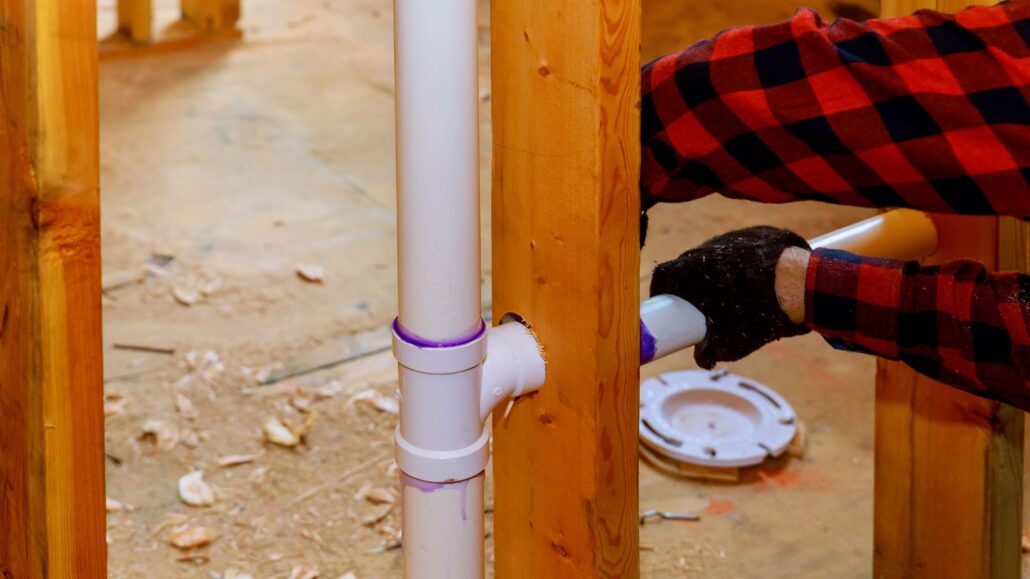
Planning a bathroom renovation? Don’t overlook the importance of proper venting. Venting plays a crucial role in a smooth-running, healthy bathroom.
Discuss venting requirements with your licensed plumber during the planning stages. They can advise on the best venting solutions for your specific bathroom layout and help ensure your new space is free from gurgling drains, unpleasant odours, and inefficient flushing.
Keep Your Bathroom Vents Working and Odour-Free
Without proper venting, your bathroom’s plumbing can quickly turn smelly and disrupt your daily routine. Don’t let unpleasant odours and potential health threats into your home.
Proper plumbing vents are vital for a healthy and functional bathroom. If you suspect a vent problem, trust the experts at The Brisbane Plumbers. Our licensed plumbers have the experience to diagnose and repair any venting issues, keeping your bathroom running smoothly and smelling fresh. Contact us today for a stress-free solution.